Finance

How Grouping All Discretionary Purchases Into a Single Weekly Window Instead of Buying Throughout the Week Reduces Overspending Without Requiring a Budget
Holding all discretionary purchases until a single weekly review window uses timing — not willpower or budgeting rules — to naturally filter out spending that was driven by impulse rather than genuine need.
By Robert Kim | Sep 08, 2026

How Treating Windfalls as Separate From Income Prevents Lifestyle Creep and Keeps Your Savings Rate Intact
Windfalls feel like free money — until they disappear without improving your finances. Here's how treating unexpected income as its own category keeps your savings rate intact and prevents lifestyle creep from taking hold.
By Robert Kim | Sep 05, 2026

How Price Anchoring in Retail Environments Manipulates Your Sense of Value and the Three Checks That Expose Whether a Marked-Down Price Is Actually a Deal
Price anchoring makes inflated reference prices feel like savings. These three practical checks reveal whether a marked-down price is a genuine deal or a carefully constructed illusion.
By Robert Kim | Sep 02, 2026
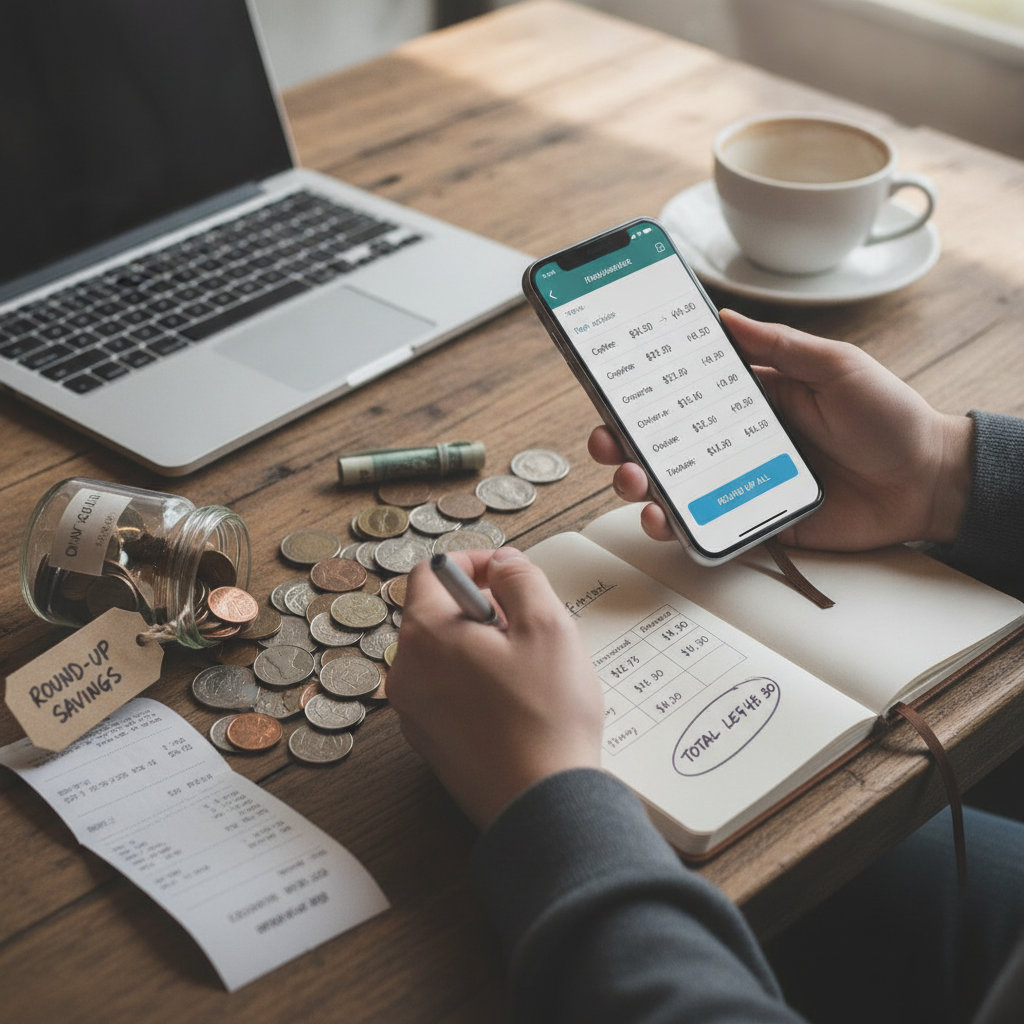
How Rounding Up Every Purchase to the Nearest Dollar and Logging the Difference Trains You to See Where Small Spending Compounds Into Large Monthly Leaks
Rounding up every purchase to the nearest dollar and logging the difference is a simple habit that reveals how small, frequent spending quietly compounds into significant monthly leaks across overlooked categories.
By Sarah Mitchell | Aug 30, 2026

How Round-Number Pricing Tricks Shape What You Think Is a Deal and What to Check Before Believing a Discount Is Real
Round-number pricing and inflated reference prices are designed to make discounts feel larger than they are. Knowing what to check before trusting a sale price can save shoppers from paying more than necessary.
By Robert Kim | Aug 27, 2026

How Treating No-Spend Weekends as a Monthly Reset Habit Rebuilds Your Savings Rate Without Requiring a Budget Overhaul
A no-spend weekend once a month is one of the simplest ways to rebuild your savings rate without overhauling your entire budget. Here's how to make the habit stick.
By Robert Kim | Aug 24, 2026

How the Debt Avalanche Method Differs From Debt Snowball in Real Dollar Terms — and Which One Actually Gets You Out Faster
The debt avalanche and debt snowball methods both work, but they produce measurably different outcomes. Here's how they compare in real dollar terms and which one gets you debt-free faster.
By Marcus Chen | Aug 21, 2026

How Treating Annual Expenses as Monthly Line Items Prevents the Budget Shock That Derails Spending Plans Every Year
Annual expenses like insurance renewals and holiday spending don't have to derail your budget. Converting them into monthly line items means the money is always ready when the bill arrives.
By Marcus Chen | Aug 18, 2026

How a Reverse Budget Reframes Spending as What Remains After Goals Are Met Rather Than What You Try to Restrict
The reverse budget funds financial goals and fixed costs first, treating whatever remains as free-spending money — a framework that removes restriction without sacrificing saving.
By Marcus Chen | Aug 14, 2026

How Splitting Your Direct Deposit Across Two Accounts Automates Saving Without Requiring Any Willpower
Splitting your direct deposit between a checking and savings account automates the saving habit before spending temptation can interfere — no budgeting apps or willpower required.
By Robert Kim | Aug 11, 2026

How the Pay-Yourself-First Percentage Method Outperforms Fixed Savings Amounts When Your Income Fluctuates Month to Month
When income shifts month to month, saving a fixed dollar amount often leads to frustration or failure. The percentage-based pay-yourself-first method scales automatically with what you earn, keeping the savings habit intact through both strong and slow months.
By Robert Kim | Aug 08, 2026

How Automating Micro-Transfers to a Round-Up Savings Account Builds an Emergency Fund Without Feeling the Pinch
Automating round-up savings and small recurring transfers is one of the most painless ways to build an emergency fund — no budgeting overhauls required. Here's how to set it up so it works quietly in the background.
By Sarah Mitchell | Aug 05, 2026

How Using a Separate High-Yield Savings Account for Every Goal Prevents You From Raiding Progress on One to Fund Another
Keeping savings in a single account makes it easy to raid one goal to fund another. Separate high-yield accounts for each financial goal create boundaries that protect progress and build momentum.
By Robert Kim | Aug 02, 2026

How Tracking Your Net Worth Monthly Instead of Your Budget Changes the Way You Make Financial Decisions
Shifting your focus from monthly budgets to net worth tracking changes how you evaluate every financial decision — here's why the metric you watch matters more than you think.
By Marcus Chen | Jul 29, 2026

How Negotiating Your Recurring Bills Once a Year Can Free Up Hundreds Without Changing Your Lifestyle
Recurring bills like internet, insurance, and subscriptions are often negotiable — and a single annual review can unlock meaningful savings without changing a single habit or giving anything up.
By Robert Kim | Jul 26, 2026

How Zero-Based Budgeting for a Single Month Reveals Spending Leaks That Monthly Averages Hide
Monthly averages make your finances look more controlled than they are. One month of zero-based budgeting reveals the spending leaks that averages quietly hide.
By Marcus Chen | Jul 23, 2026

Why Buying Store-Brand Staples in Bulk Beats Name-Brand Sales Even When the Sale Price Looks Better
Name-brand sales look compelling, but store-brand staples bought in bulk routinely beat those sale prices on a per-unit basis. Understanding why reveals a smarter, more consistent approach to everyday household spending.
By David Park | Jul 20, 2026

How the Cash Envelope Method Still Outperforms Digital Budgeting Tools for Variable Spenders
Digital budgeting apps track your spending, but for variable spenders they rarely change behavior. Here's why the cash envelope method still delivers results that most apps can't match.
By Marcus Chen | Jul 16, 2026

Why Your Grocery Loyalty Points Are Worth Far Less Than You Think — and What to Do Instead
Grocery loyalty programs promise savings, but the actual redemption value of most points is far lower than shoppers realize. Here's what the numbers reveal — and what works better.
By Sarah Mitchell | Jul 13, 2026

How Sinking Funds Let You Pay for Big Expenses Without Ever Going Into Debt
Sinking funds are one of the most effective ways to handle big, irregular expenses without resorting to debt. Here's how to set them up and make them work in your real life.
By Marcus Chen | Jul 09, 2026

How Setting a 48-Hour Purchase Delay Rule Cuts Impulse Spending Without Budgeting Apps
The 48-hour purchase delay is a simple, app-free rule that gives your impulse spending nowhere to hide. Here's how to make it work in everyday life.
By Marcus Chen | Jun 30, 2026

Navigating the Crypto Maze Investing Safely in a Volatile Market
By Lena Grant | Mar 11, 2026

Riding the Crypto Wave How to Stay Informed in the Fast-Paced Cryptocurrency Market
By Aiden Reese | Mar 07, 2026
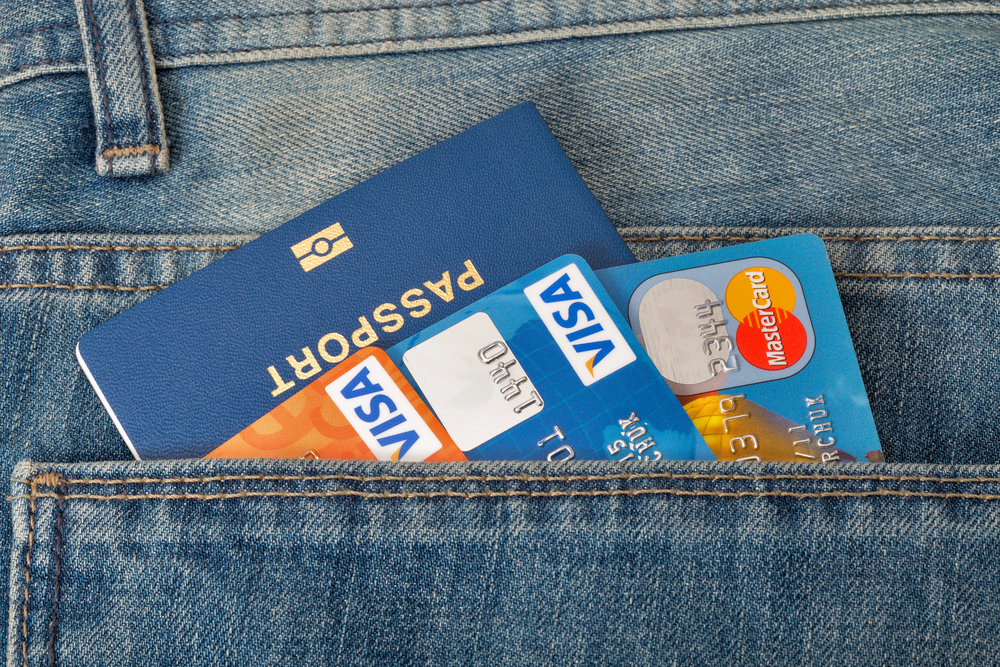
Top Credit Cards for Frequent Travelers
By Aiden Reese | Feb 15, 2026

The Cryptoverse Awaits: A Beginner’s Guide to Cryptocurrency
By Lena Grant | Feb 14, 2026

Buying Your First Home: A No-Frills Guide
By Zoe Chapman | Nov 11, 2024

Navigating the Crypto Seas Finding Your Safe Harbor in Cryptocurrency Platforms
By Sage Flynn | Nov 11, 2024

Helping Your Children Develop Good Money Habits
By Rowan Wallace | Nov 11, 2024

The Advantages and Disadvantages of Credit Cards: A Breakdown
By Harper Reed | Nov 11, 2024