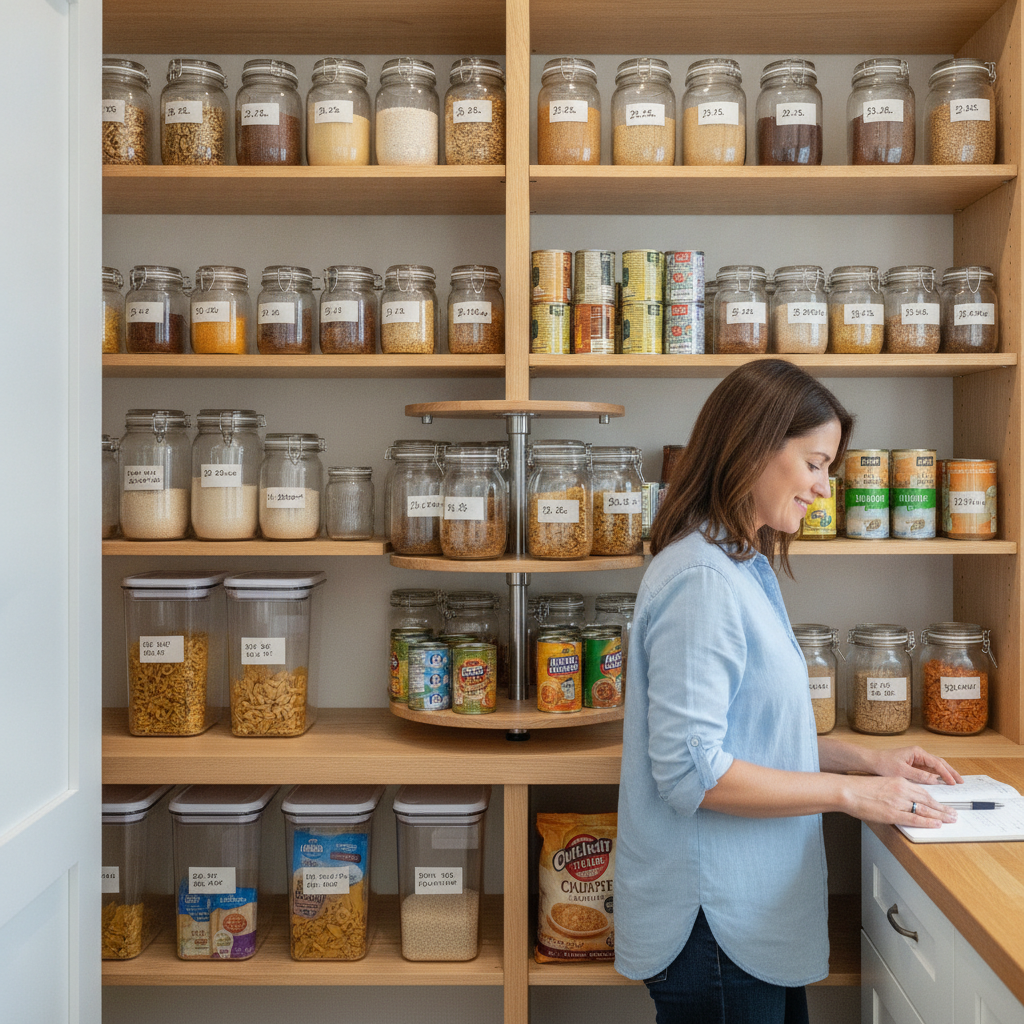
Shoppers often assume that a name-brand product on sale represents the best possible deal, but the math rarely supports that assumption. When store-brand staples are purchased in bulk, the per-unit cost consistently undercuts even aggressively discounted national brands — and the savings compound across dozens of routine purchases every month.
The Illusion of a Good Sale Price
A sale sticker is designed to trigger a sense of urgency and value, but it uses the full retail price as its baseline. National brands like Bounty, Tide, or Heinz have wide profit margins built into their standard pricing, which means even a significant percentage discount still leaves room for a store-brand alternative to be cheaper. Consumers comparing only the sale price to the original retail price are making a comparison within the same brand's pricing structure, rather than asking whether a different product entirely could cost less and perform comparably.
How Per-Unit Cost Exposes the Real Difference
The clearest way to evaluate grocery and household purchases is by unit price — cost per ounce, per sheet, per load, or per serving. Most major retailers display this figure on shelf tags, and the gap between store brands and discounted name brands is often substantial. A sale on Kirkland Signature-level private-label products at Costco, or the Great Value line at Walmart, frequently starts at a lower baseline than a 30% discount on the national equivalent. Buying in bulk amplifies this advantage because the per-unit cost drops further as package size increases.
The Categories Where This Strategy Works Best
Not every product category benefits equally from bulk store-brand purchasing, but staples with long shelf lives and low variability in quality are ideal. Canned goods, pasta, rice, flour, sugar, dish soap, laundry detergent, paper towels, and cleaning supplies are consistent performers. Products like Aldi's line of pantry staples have earned steady loyalty precisely because taste and quality differences relative to name brands are minimal to undetectable in blind comparisons. The categories to approach more carefully are those where formulation genuinely varies — certain medications, for instance, where active ingredients matter more than brand perception.
Why Bulk Buying Amplifies Store-Brand Savings
Store-brand products already carry lower margins than national brands because they don't carry advertising costs, celebrity endorsements, or major marketing budgets into the price. Buying in bulk removes another layer of markup — the cost per unit in a larger package is lower than in a single-serve or mid-size format. When these two factors combine, shoppers are working from the cheapest possible starting point and discounting it further. A bulk purchase of store-brand paper towels, for example, can represent a fraction of the cost of a sale on Bounty double rolls, even when Bounty's promotional price looks attractive on its own.
Why Name-Brand Sales Create a Misleading Anchor
Retail pricing strategy relies heavily on the concept of an anchor — the original price that makes a sale price feel like a bargain. When a national brand runs a promotion, consumers tend to evaluate the deal against what that same product normally costs, not against what the category costs overall. This anchoring effect is particularly strong with familiar brands because shoppers already have a mental reference point for them. Store brands, by contrast, often don't carry the same psychological weight, so their lower everyday pricing doesn't register as a "deal" even when it consistently beats the sale price of the name-brand alternative.
Building a Practical Bulk Store-Brand Habit
Shifting to this approach doesn't require an all-at-once overhaul of how you shop. Start by identifying the ten or fifteen staples your household uses most consistently, then compare the per-unit cost of the store-brand bulk option against the best sale price you typically see on the national equivalent. Apps like Flipp make it easy to track recurring name-brand sale cycles, which helps clarify just how rarely those promotions actually undercut a steady bulk store-brand purchase. Prioritize products with at least a six-month shelf life so bulk quantities don't go to waste, and give store-brand versions a fair trial across two or three purchases before drawing conclusions about quality.
The broader principle at work here is straightforward: sale prices are relative to a brand's own pricing structure, not to the market floor. Store-brand staples bought in bulk represent the market floor for most household categories, and that floor sits reliably below where name-brand promotions land. Shoppers who build their baseline around store-brand bulk pricing — and treat name-brand sales as occasional exceptions rather than the standard benchmark — tend to spend meaningfully less over time without sacrificing quality in the categories that matter most.