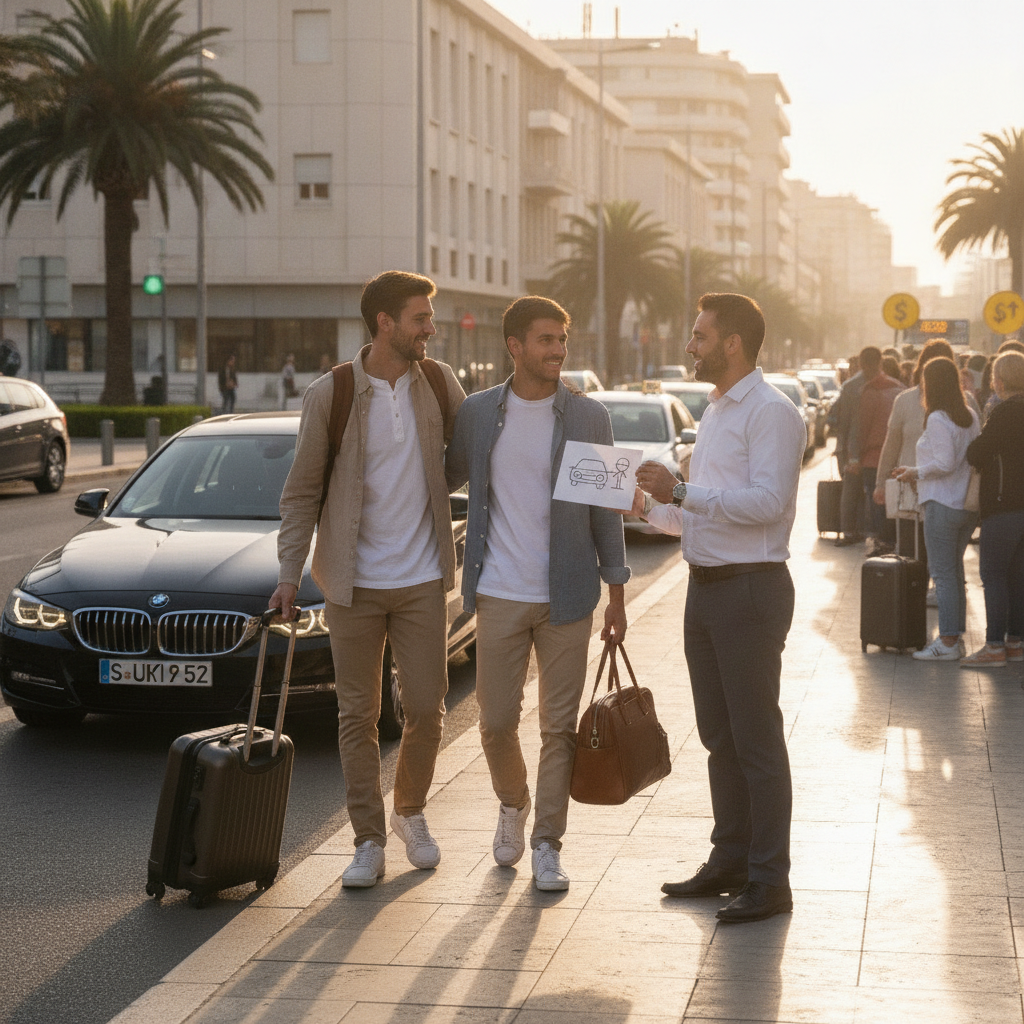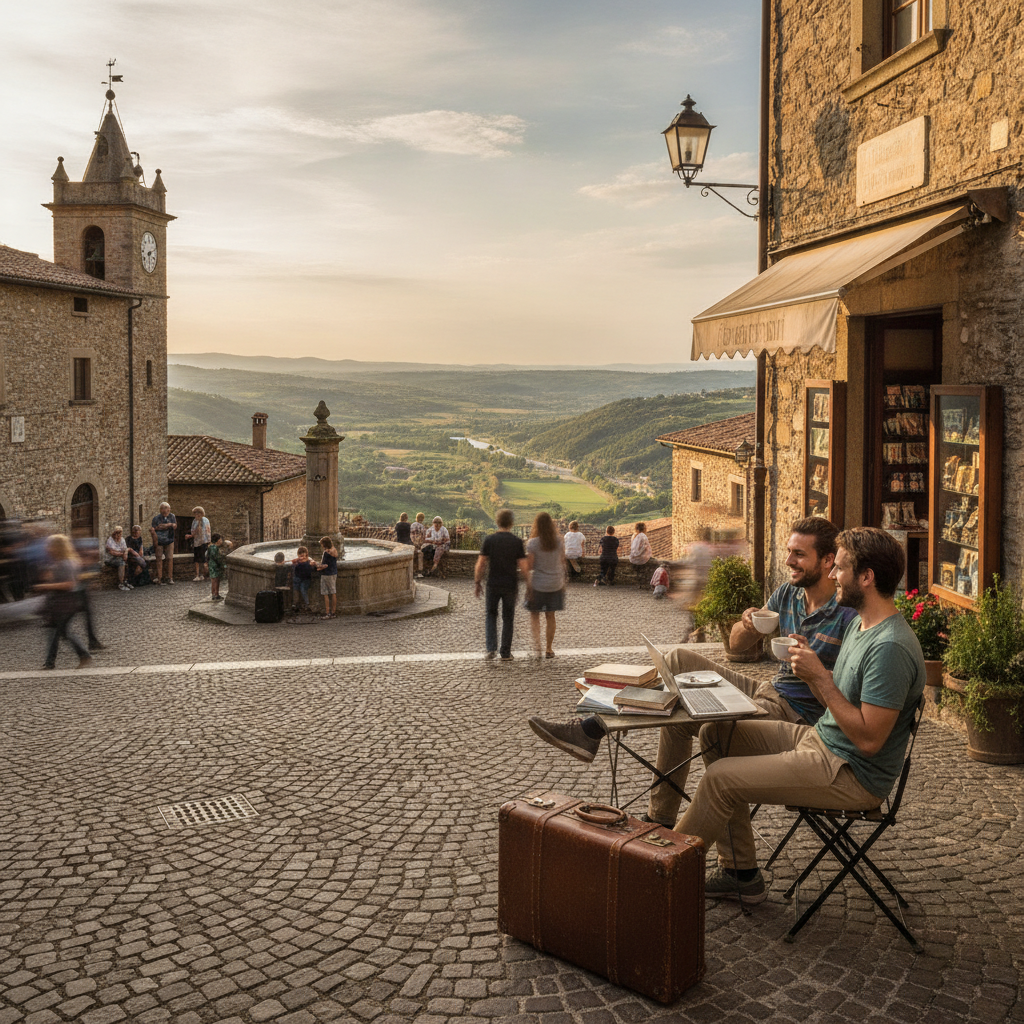
There is a persistent assumption in travel culture that more destinations visited means more value extracted from a trip. The traveler who ticks off five cities in ten days is often regarded, in casual conversation, as having done more than the one who spent the same stretch of time in a single neighborhood in Lisbon or a quiet hillside town in Umbria. Yet when the receipts are added up and the fatigue honestly accounted for, slow travel — the practice of staying longer in fewer places — consistently proves to be the more economical and, many would argue, the more rewarding way to move through the world.
The True Cost of Constant Movement
Every transition between destinations carries a price that rarely appears in the initial trip budget. There are transport costs, of course — trains, buses, short-haul flights, airport transfers — but there are also the less visible expenses that accumulate around movement itself. Checked baggage fees stack up when a traveler is catching multiple flights. Meals eaten in transit hubs and tourist-facing restaurants near train stations tend to cost considerably more than those found a few streets deeper into a neighborhood. The rushed traveler, operating under the pressure of a tight itinerary, defaults to convenience: the hotel closest to the sights, the restaurant with the English menu out front, the taxi rather than the bus. These choices are understandable, but they are expensive ones, and they repeat with every new city added to the route.
The economics of slow travel work in the opposite direction. A traveler who commits to ten or fourteen nights in one place immediately becomes eligible for weekly rental rates through platforms like Airbnb or Vrbo, which can reduce nightly costs by a third or more compared to standard hotel pricing. They learn, within a few days, where the local market operates, which café charges tourist prices and which does not, and how to get from one part of the city to another without relying on ride-share apps. Knowledge itself becomes a savings mechanism — and it accrues only with time.
Weekly Rates and the Rhythm of Settled Living
The accommodation savings in slow travel are structural rather than incidental. Short-term rental markets in cities like Barcelona, Porto, and Chiang Mai are built around a tiered pricing model that rewards longer stays. A traveler booking three consecutive two-night stays in different properties will pay meaningfully more per night than one who simply books a single apartment for a week. Beyond the nightly rate, the presence of a kitchen changes the entire financial profile of a trip. Cooking even a modest number of meals — breakfast most days, dinner a few times a week — redirects money that would otherwise go to restaurants back into the travel budget. Local grocery shopping is not a sacrifice; in most places, it is one of the more pleasurable ways to understand how a culture actually eats.
There is also the matter of what economists sometimes call the *search cost* — the time and energy spent finding, comparing, booking, and physically relocating between accommodations. That cost is paid once by the slow traveler and repeatedly by the destination-hopper. When time is treated as a resource with real value, the arithmetic shifts further in favor of staying put.
What Gets Lost in the Itinerary
Beyond budgeting, slow travel tends to produce a qualitatively different kind of experience. The traveler who stays long enough in Oaxaca to return to the same market stall twice, or who becomes a recognizable face at a neighborhood coffee shop in Tbilisi, is participating in the social fabric of a place rather than observing it through glass. There is a concept in travel writing sometimes called *flânerie* — from the French *flâneur*, meaning an aimless urban wanderer who absorbs a city through unhurried observation rather than agenda. Slow travel approximates this quality not as a romantic affectation but as a practical mode. When there is no pressure to see everything in 48 hours, the pressure to spend money on structured tours, packaged experiences, and overpriced attractions also eases. Discovery happens on foot, at its own pace, and largely for free.
Destination-hopping, by contrast, tends to concentrate spending in the most commercially developed zones of each city. A traveler with one day in Rome will almost certainly end up near the Colosseum and the Vatican, surrounded by the pricing structures those tourist corridors support. A traveler with ten days will eventually wander out of them.
The Compounding Effect of Local Knowledge
One of the underappreciated financial advantages of staying longer is the way local knowledge compounds over even a short period. By the third or fourth day in a place, most reasonably attentive travelers have figured out which supermarket is worth the walk, which neighborhoods offer genuine value in restaurants, and which transit options make the ride-share apps unnecessary. Apps like Citymapper work better once a traveler understands the actual geography of a city rather than just its tourist map. Grocery chains like Mercadona in Spain or Carrefour across much of Europe offer prepared foods and fresh produce at prices that make spontaneous picnics cheaper than most restaurant lunches. These small efficiencies, repeated across days rather than hours, add up to meaningful savings over the course of a trip.
There is also the question of what slow travelers tend not to buy. Souvenirs purchased on the last afternoon of a rushed city stay, under the mild panic of departure, are rarely the most considered or the most affordable. The traveler with time to explore a city's artisan markets, flea markets, and off-tourist-trail shops tends to spend less on more interesting things.
A Different Measure of Value
If you have ever returned from a trip feeling simultaneously exhausted and vaguely unsatisfied — as though you moved through beautiful places without quite arriving in any of them — slow travel offers a different premise entirely. It asks not how many places can be covered but how fully any one place can be inhabited, even briefly. The financial logic supports this reorientation: longer stays cost less per day, local habits replace expensive tourist defaults, and the compulsive spending that fills the gaps in an overpacked itinerary simply has less room to operate. The traveler who stays longer in fewer places tends to come home with more money left, more memories that feel specific and earned, and a clearer sense of what travel is actually for. That, in the end, is the same calculation this kind of travel began with — not how much can be seen, but how much can genuinely be gained.