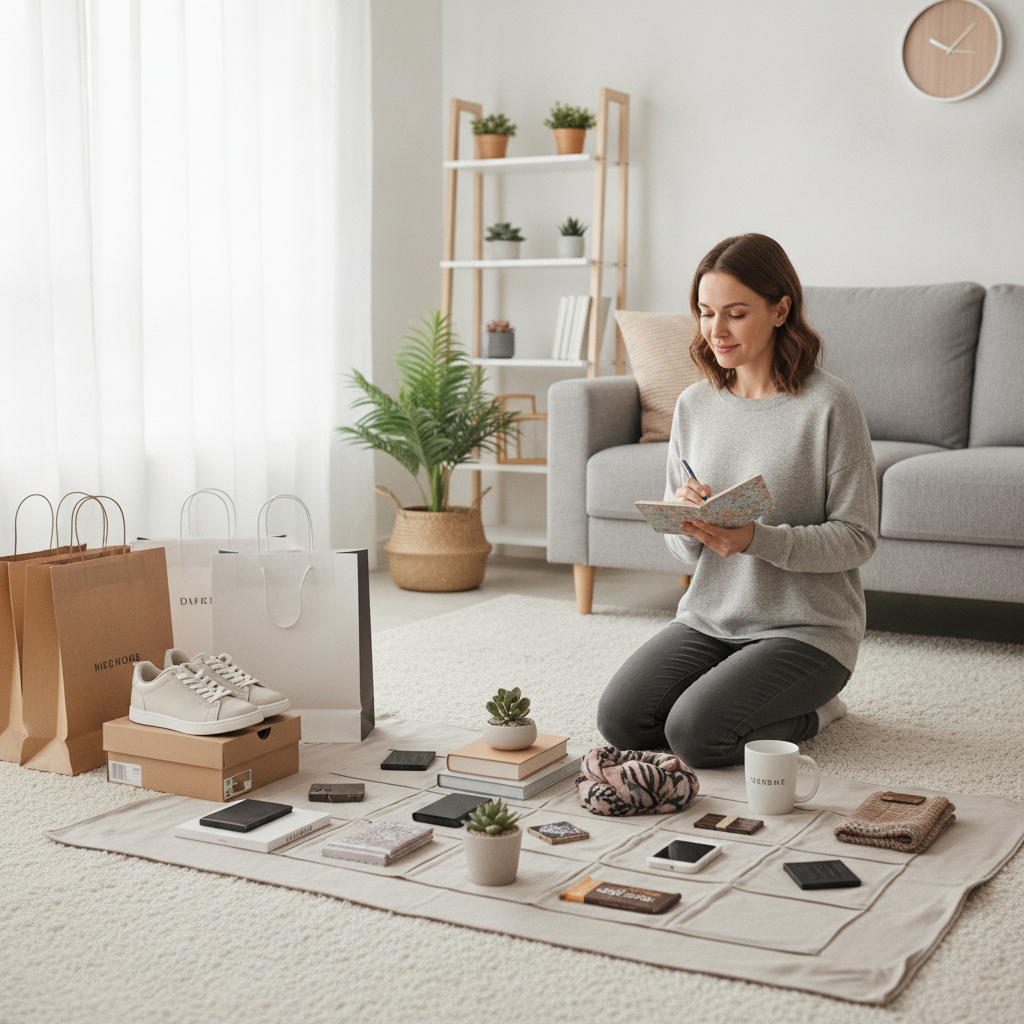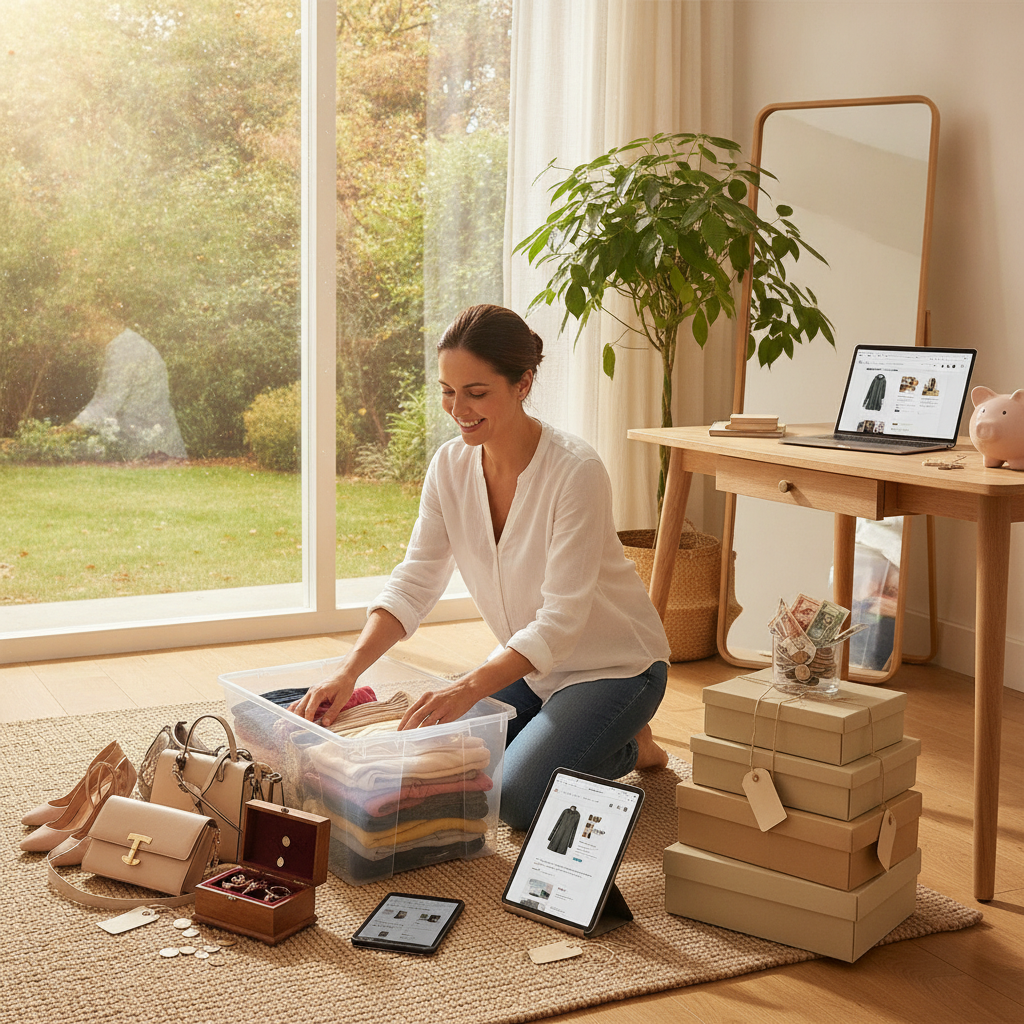
Every home accumulates more than its residents intend. Objects arrive with purpose — a gift, a bargain, a phase that passed — and stay long after they've stopped earning their space. What fewer people recognize is that this slow accumulation represents something more than clutter: it represents dormant value, sitting in closets and garages and junk drawers, waiting to be unlocked. The practice of decluttering in deliberate seasonal cycles has quietly become one of the most practical, low-effort ways to fund future shopping without touching a paycheck.
The Logic of Seasonal Rhythm
There's a reason the cycle matters as much as the habit itself. Decluttering once a year tends to produce a single, overwhelming purge — the kind that leads to donation bags dropped at a Goodwill and little else to show for the effort. Seasonal decluttering, by contrast, works with the natural rhythm of the home. As winter gear gets packed away in spring, or summer clothes rotate to the back of the wardrobe in September, the act of sorting becomes organic rather than forced. Each seasonal transition creates a natural audit: what was used, what wasn't, and what has simply been displaced by better alternatives. That audit, repeated four times a year, produces a steady and manageable stream of sellable goods rather than one chaotic mountain of stuff.
The financial logic compounds over time. A single coat that hasn't been worn in three seasons, a kitchen appliance still in its original box, a set of dumbbells purchased during a fitness resolution — each of these carries residual market value that evaporates only when the item is donated rather than sold. Platforms like Facebook Marketplace, Poshmark, and eBay have made it genuinely simple to convert household goods into cash within days, often within hours for the right item at the right price. The friction of selling has dropped significantly, which means the barrier between a cluttered home and a small cash buffer is lower than most people assume.
What Sells and When
Seasonal decluttering works best when it's timed to market demand, not just personal convenience. Winter coats listed in October sell faster and for more than the same coats listed in February, when buyers are already fatigued and retailers are clearing inventory. Patio furniture moves quickly in March and April, while holiday décor finds eager buyers in October and November. This rhythm — selling what the market wants when it wants it — is the quiet skill that separates casual declutterers from those who consistently fund meaningful portions of their shopping budgets through the practice.
Electronics follow a slightly different logic. A television or gaming console released a generation ago still holds real value, particularly on platforms where buyers are seeking a price point that new retail can't match. The key is condition and completeness: original packaging, included accessories, and accurate descriptions command noticeably higher prices on platforms like Swappa or eBay than listings that are vague or visually underwhelming. A few minutes of honest effort in photographing and describing an item can add meaningfully to the final sale price.
The Concept of *Kakebo* and Conscious Flow
The Japanese household budgeting practice known as *kakebo* — pronounced kah-KAY-boh, roughly translated as "household ledger" — encourages its practitioners to track not just spending, but the emotional reasoning behind purchases. One of its core insights is that purchases made without intention tend to accumulate into regret and physical clutter. Applying a *kakebo*-adjacent mindset to seasonal decluttering means treating the outflow of objects not as loss, but as a kind of rebalancing — clearing space and recovering value simultaneously. The money earned through seasonal selling isn't free money; it's deferred value from past spending, finally being reclaimed.
This framing shifts the psychological relationship with both decluttering and shopping. Rather than experiencing guilt about past purchases that didn't pan out, the seasonal seller converts that guilt into agency. The impulse buy from three winters ago becomes next autumn's new jacket, purchased with cash recovered rather than cash earned. The cycle becomes self-correcting over time, as the awareness of future resale value subtly influences current buying decisions — nudging toward quality over quantity, and away from items that will have no market life whatsoever.
Building the Budget Line
The practical step most people skip is treating seasonal sale proceeds as a dedicated budget line rather than general income. When the money from a sold blender or a box of children's books gets folded into a general account and spent on groceries, the value disappears without trace. But when it's moved into a separate savings pot — even informally, through an app like Monzo or a simple envelope system — it becomes visible and purposeful. Over a full year, four seasonal decluttering rounds, each netting even a modest amount, can accumulate into a genuinely useful fund for the next season's shopping: a winter coat budget built from summer goods, a back-to-school fund built from spring clearing.
The target isn't perfection or a precise windfall. It's the steady conversion of household entropy into something usable. The discipline isn't in the selling — that part, once started, tends to become enjoyable in its own right. The discipline is in the separation: keeping those funds ring-fenced for intentional shopping rather than letting them dissolve into everyday expenses.
Spending the Fund with Intention
Once you've built the habit and the buffer, the next step is spending it well. This is where the deal-hunting instinct comes fully into play. Seasonal sale proceeds spent at end-of-season clearance events, through price-comparison tools, or on platforms that aggregate discounts go significantly further than the same funds spent impulsively. A winter wardrobe fund built through spring and summer decluttering, spent at October clearance rather than December retail, can stretch two or three times as far. The money was earned through patience and observation; it deserves to be spent the same way.
The full circle of this practice — from accumulation to audit, from sale to fund, from fund to intentional purchase — is less a budgeting trick than a shift in how a household relates to its own objects. Things come in, serve their purpose, leave with value intact, and make room for what comes next. That quiet, rhythmic exchange is what keeps a home from being owned by its contents, and keeps a shopping budget from being permanently outpaced by the desire to fill it.