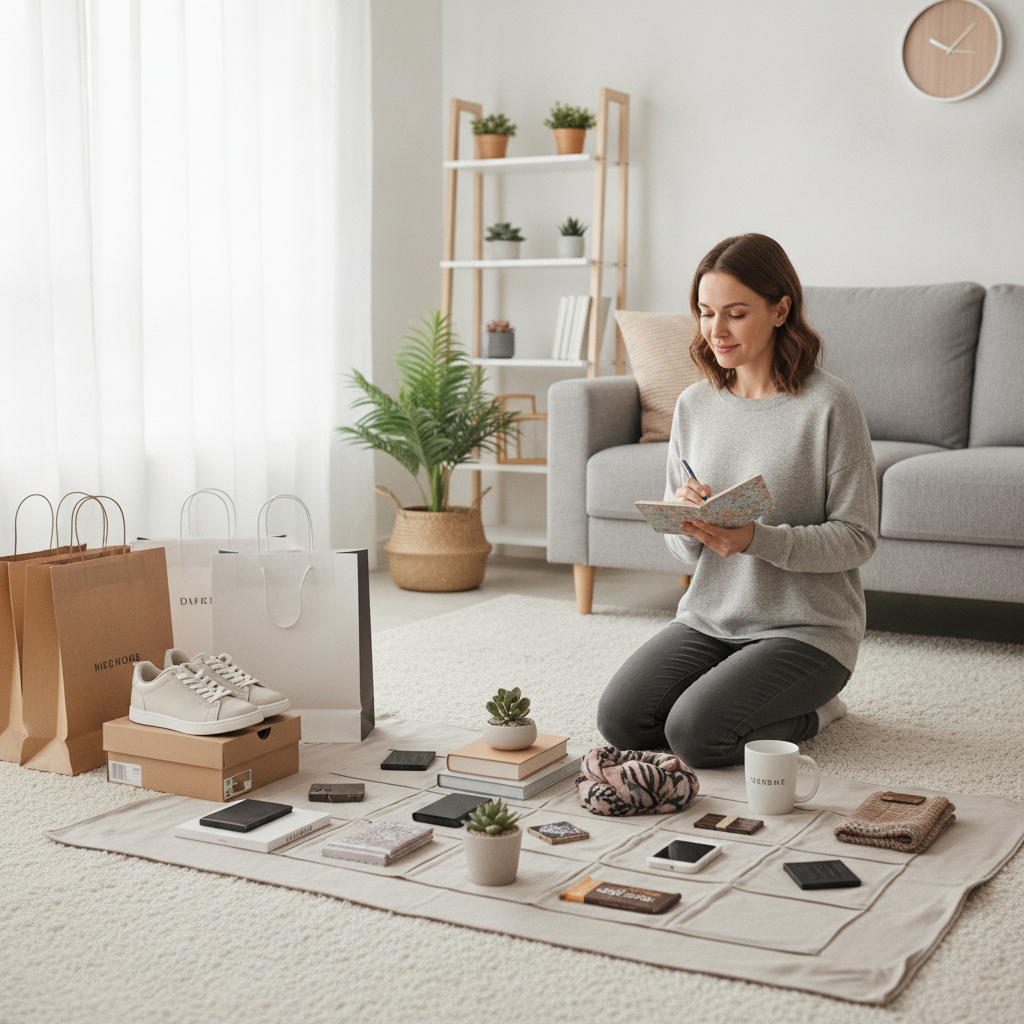
There is a particular kind of fatigue that sets in when a closet is full but nothing feels wearable. Clothes accumulate across seasons — a sale purchase here, a trend-chasing impulse there — until the wardrobe becomes less a resource and more a source of low-grade anxiety. This tension between abundance and dissatisfaction is one of the more quietly common experiences of modern consumer life, and it points toward something worth examining: the relationship between how people shop for clothes and how much they actually enjoy what they own.
The Logic Behind a Capsule Wardrobe
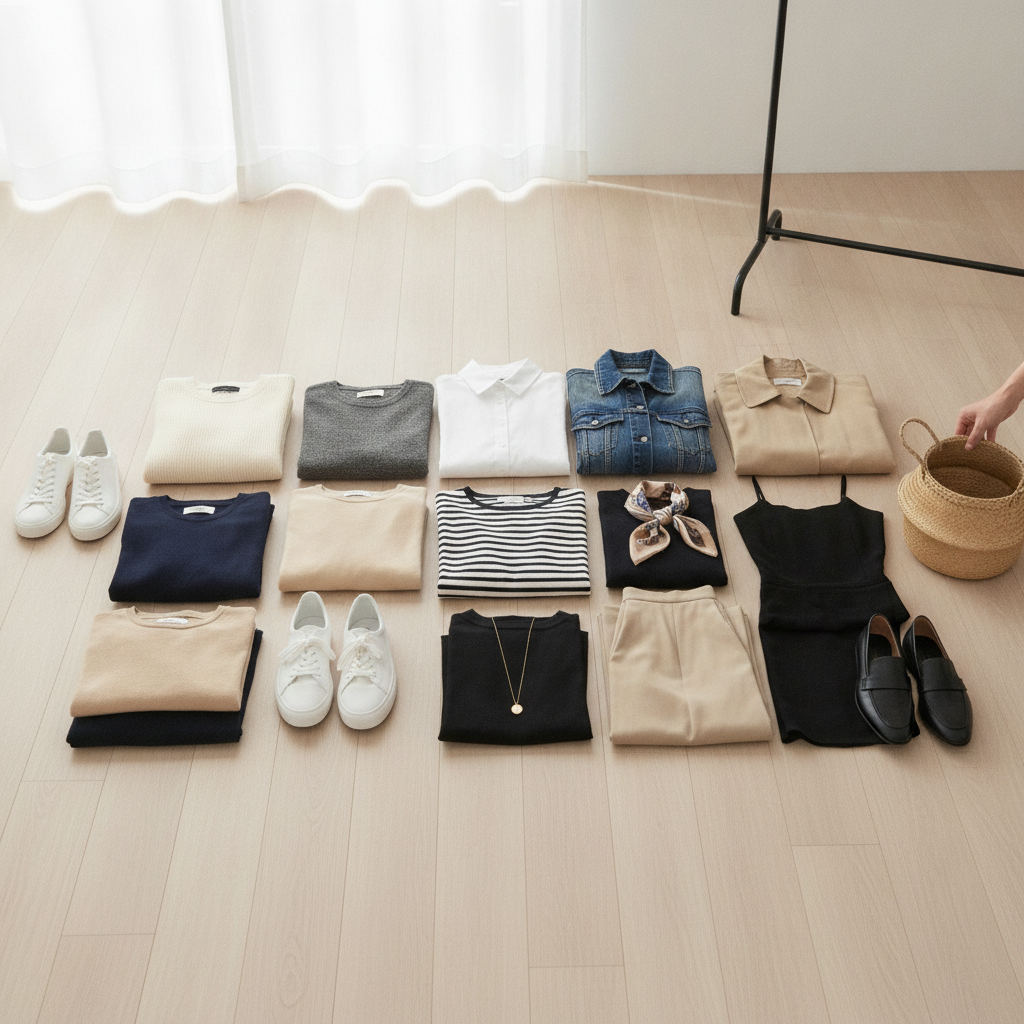
A capsule wardrobe, at its core, is a curated collection of versatile, high-quality pieces that work together across multiple outfits and occasions. The concept was popularized in the 1970s by London boutique owner Susie Faux and later expanded by American designer Donna Karan, whose influential collections leaned heavily on the idea of interchangeable essentials. The philosophy is straightforward: fewer pieces, more intentionally chosen, yield more wearable combinations than a crowded collection of disparate items. What makes the strategy effective isn't minimalism for its own sake — it's the deliberate alignment between what someone owns and what their actual life requires. A capsule wardrobe built around real habits and routines eliminates the visual noise that makes getting dressed feel complicated.
The financial dimension of this approach is where things become genuinely practical. When every piece in a wardrobe is chosen to work with everything else, the standard justification for impulse buying — "I'll find something to wear it with" — loses its footing. Shoppers who operate with a clear wardrobe framework tend to evaluate new purchases against an existing system rather than in isolation. That single shift in perspective quietly reduces the appeal of trend-driven items that wouldn't integrate naturally into what they already own. The result isn't deprivation; it's a more discerning relationship with clothing as a category of spending.
Building the Foundation Without Overspending
Starting a capsule wardrobe doesn't require discarding everything and replacing it with expensive basics. The more sustainable approach involves auditing what already exists — identifying pieces that get consistent wear, fit well, and translate across contexts — and using those as the anchor. Brands like Everlane, Uniqlo, and COS have built reputations around producing the kind of neutral, well-constructed basics that anchor capsule wardrobes effectively, and their price points are accessible enough that building a foundation doesn't demand a significant upfront investment. The audit process itself tends to be clarifying: most people discover they already own several reliable pieces buried under layers of rarely-worn purchases. Starting from that foundation keeps costs manageable while ensuring the wardrobe reflects genuine personal style rather than an aspirational version of it.
The practical rule that most capsule wardrobe practitioners settle on is the "cost per wear" calculation — dividing the price of a garment by the number of times it will realistically be worn. A well-made pair of trousers worn three times a week for two years costs far less per use than a trendy blouse purchased on markdown and worn twice. This mental framework doesn't eliminate all impulse purchases immediately, but it introduces friction into the decision. That pause — even a brief one — is often enough to distinguish between a genuine addition to the wardrobe and a purchase driven by momentary enthusiasm. Over time, the habit compounds.
Style as a Constraint, Not a Casualty
One of the more persistent misconceptions about capsule wardrobes is that they produce a kind of aesthetic sameness — that limiting the number of pieces necessarily limits personal expression. In practice, the opposite tends to be true. When every item earns its place, the wardrobe becomes a more accurate reflection of individual taste rather than a blurred record of passing trends. Style, in this sense, is sharpened by constraint rather than diminished by it. The French concept of *chic* — that quality of effortless, considered elegance — has always been less about volume than about proportion and intentionality. A small wardrobe of pieces that genuinely suit the wearer communicates more confidence than a large one assembled without a guiding logic.
This matters for the impulse-buying question because much of what drives unplanned clothing purchases is dissatisfaction with what already exists — a sense that the wardrobe is missing something, even when the shelves are full. That feeling tends to dissolve when a wardrobe is genuinely functional and genuinely personal. The urge to shop recreationally doesn't disappear entirely, but it becomes easier to recognize for what it is: an emotional impulse rather than a practical need. Recognizing that distinction is a quiet but meaningful form of financial self-awareness.
Making the Strategy Last
The capsule wardrobe approach works best as a slow, ongoing practice rather than a one-time overhaul. Seasonal reviews — evaluating what got worn, what didn't, and what genuine gaps exist — keep the wardrobe aligned with real life without requiring constant attention. Apps like Stylebook allow users to catalog their clothes and track actual wear, which makes the audit process more concrete and less reliant on memory. Shopping becomes a more deliberate act: something done to fill a specific, identified gap rather than to browse. When you approach a purchase knowing exactly what role it needs to fill, the emotional pull of novelty carries less weight than the practical question of fit.
The closet that prompted that original fatigue — full and yet somehow insufficient — is a product of a particular kind of shopping habit. Shifting that habit doesn't require dramatic sacrifice; it requires a clearer sense of what a wardrobe is actually for. When clothing functions as a considered, working collection rather than an accumulation, the impulse to keep adding diminishes on its own. The satisfaction that comes from getting dressed easily, from knowing that what hangs in the closet reflects genuine choices, turns out to be a more reliable source of style than any sale ever managed to provide.