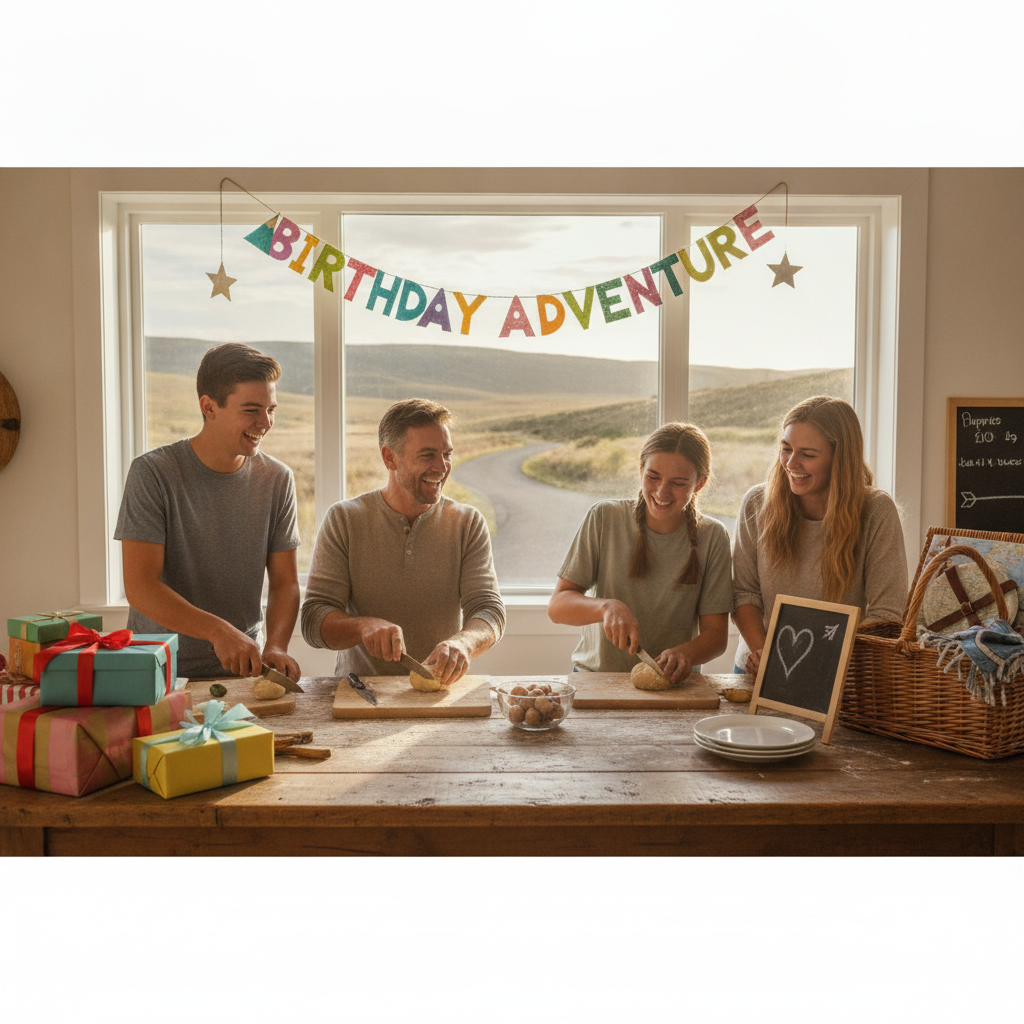
Something changes in the weeks before a birthday or major holiday — a quiet, familiar pressure that settles in around the third week of November or the days leading up to a milestone occasion. The question of what to buy begins to dominate the mind, and with it comes a particular kind of modern anxiety: the fear of giving something wrong, something forgettable, something that will sit unused in a closet before being quietly donated. Most people feel this tension without ever stopping to ask whether the gift itself is the right answer at all.
What Makes Experience-Based Celebrations Different?
The shift from object-giving to experience-sharing is not simply a lifestyle trend — it reflects something deeper about how memory and meaning actually work. Psychological research on what is sometimes called the *hedonic adaptation* effect — the tendency for the emotional impact of material possessions to fade quickly after acquisition — has confirmed what many people intuitively sense: things stop feeling special fast, while shared moments retain their emotional weight for far longer. A weekend day trip to a coastal town, a group cooking night centered on a regional cuisine no one has tried before, or an afternoon at a pottery studio like those offered through platforms such as Airbnb Experiences or ClassPass tends to generate stories people still recount years later. The birthday dinner where everyone made handmade pasta together becomes the dinner that "defines" a particular year. The hiking day at a state park becomes the touchstone memory for a friendship. Objects rarely do that.
How Does the Spending Actually Compare?
The financial comparison between gift-buying and experience-sharing is more favorable than it might first appear, particularly when groups are involved. A typical gift-buying scenario — especially during the holiday season — often involves multiple individual purchases, each requiring its own packaging, wrapping, and in many cases shipping. When these costs are aggregated across a household or a close friend group, the total regularly exceeds what a shared experience would cost per person. A day trip to a regional destination, split among four or five people, frequently costs each participant no more than a modest restaurant meal. A cooking night at home, where everyone contributes one ingredient category, often runs to almost nothing. Even structured experiences through services like Eventbrite or local culinary schools tend to be priced in ranges that, divided among a group, undercut individual gift budgets comfortably. The key distinction is that the spending is pooled and purposeful rather than fragmented and uncertain.
Why Cooking Nights and Day Trips Work Particularly Well
Among the range of shared experience formats, cooking nights and day trips occupy a particularly useful space because they require almost no advance infrastructure and can be adapted to nearly any budget or group size. A cooking night built around a specific theme — a regional Italian spread, a Moroccan *bastilla* challenge, a Korean barbecue night — gives participants a shared objective that naturally generates conversation, laughter, and low-stakes collaboration. The act of cooking together, which food culture writers have long described as one of the most effective ways for people to deepen familiarity with one another, sidesteps the transactional quality that gift exchanges can carry. Day trips work similarly: the shared logistics of getting somewhere, navigating a new environment, and eating in an unfamiliar place create an automatic structure for connection that no wrapped box can replicate. Apps like Roadtrippers help map routes with stops that suit varied interests, and many regional tourism boards publish free guides that make planning straightforward.
The Cultural Logic Behind Giving Experiences
In Japanese culture, the practice of *mono no aware* — an appreciation of transience and the bittersweet beauty of impermanent things — has long shaped how occasions are marked. Seasonal rituals matter more than objects; cherry blossom viewings and autumn foliage gatherings carry weight precisely because they cannot be owned or repeated in identical form. Scandinavian cultures practice something similar through the concept of *hygge* (a Danish and Norwegian term describing a quality of coziness and convivial warmth), which centers celebration on atmosphere and togetherness rather than material exchange. These frameworks, drawn from very different parts of the world, share a common insight: the depth of a celebration is determined less by what is given than by the quality of presence it creates. Western gift-giving culture is not immune to this logic — it simply has not historically organized itself around it.
What This Shift Asks of the People Involved
Moving toward experience-based celebrations requires a modest amount of social negotiation, particularly in families or friend groups where gift-giving has deep tradition. The most effective approach tends to be gradual and conversational rather than abrupt. Proposing a shared day trip as a birthday gift — framed as something desired rather than something that replaces — tends to land better than announcing a new policy. Within families, establishing a single shared experience for a holiday gathering, such as a cooking project everyone participates in or an outing to a local market like a farmers' market or artisan fair, often becomes the element people remember most. The spending that remains — on food, transport, or entry fees — is purposeful and visible in a way that scattered gift purchases rarely are. Over time, what begins as an experiment tends to become a preference, as participants notice that the occasions feel fuller rather than diminished.
The scene that opened this consideration — the quiet pre-holiday pressure, the search for something worth giving — does not disappear entirely when the format shifts. But it changes character. Instead of wondering what object might not disappoint, the question becomes what kind of day or evening might actually be worth having. That is a more interesting problem to solve, and typically a far less expensive one.