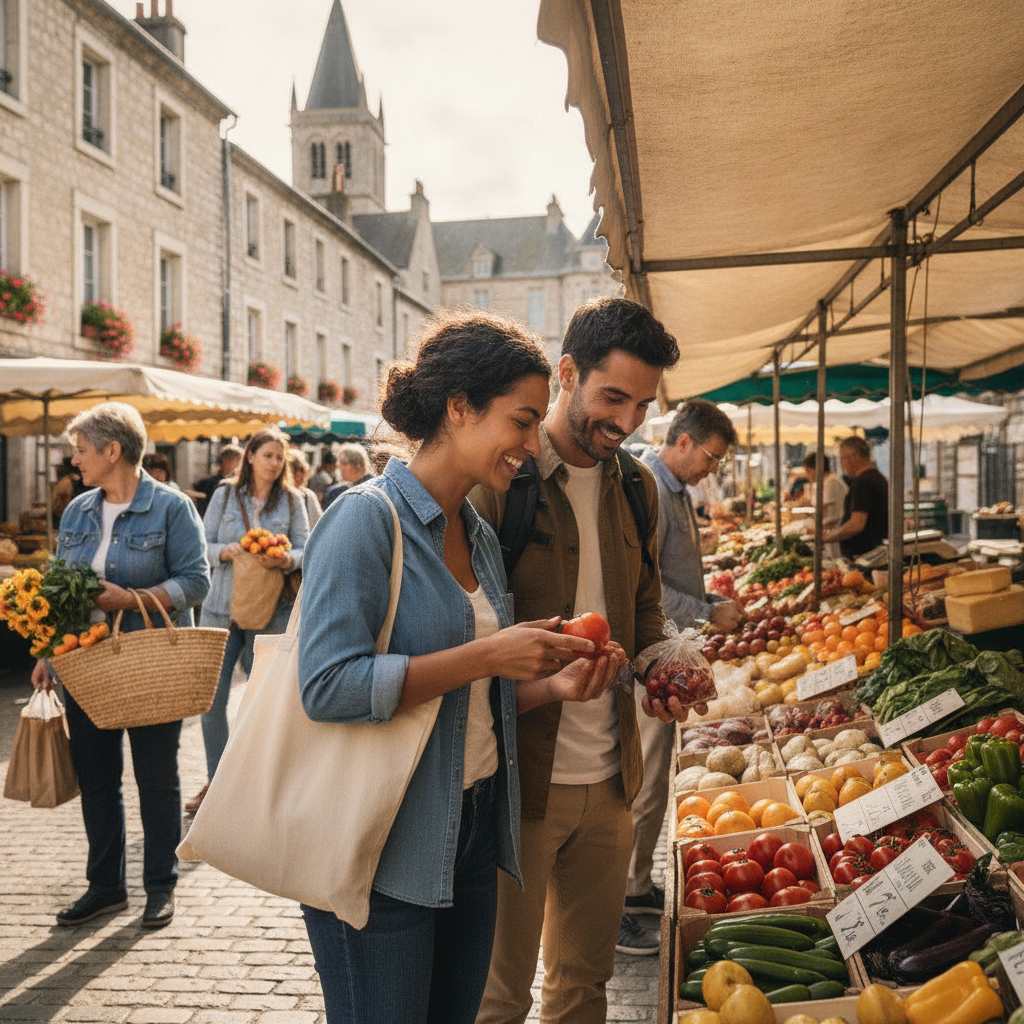
The most reliable way to eat well and spend less while travelling has never been hidden — it has simply been overlooked in favour of glossy restaurant guides and app-curated dining lists that prioritise photogenic settings over genuine value. Neighbourhood food markets, the kind that draw working residents rather than tourists, operate on an entirely different economy than the establishments clustered around hotel districts. The traveller who researches them before leaving home consistently arrives with an advantage that no amount of spontaneous wandering can replicate.
The Economics of the Local Market
Markets that serve a city's residential neighbourhoods are governed by the spending habits of the people who live there, not the expectations of visitors willing to pay a premium for novelty. In cities like Istanbul, Lisbon, and Hanoi, the covered or open-air market remains a central institution of daily life — a place where vendors compete fiercely on price, freshness, and repeat custom. When a traveller understands this dynamic before arriving, they stop treating market visits as a cultural excursion and start treating them as a genuine alternative to restaurants. A prepared breakfast assembled from market stalls — bread, fruit, a few olives, a wedge of local cheese — typically costs a fraction of the equivalent café meal, and it requires nothing more than an hour of advance research and the willingness to shop like a resident rather than a guest.
Why Advance Research Changes Everything
The difference between knowing a market exists and knowing how it works is considerable. Arriving at Mercado de Bairro in Porto or the Kadıköy market in Istanbul without any preparation means navigating it as an outsider — uncertain which vendors are worth queuing at, unaware of the rhythm of the trading day, missing the early hours when produce is freshest and selection is widest. Research conducted before departure — through neighbourhood forums, city-specific subreddits, or travel communities on platforms like Tripadvisor's forum section — fills in precisely these details. It reveals which day a market is largest, which stalls are institutional fixtures, and whether the street running alongside it hosts additional vendors that don't appear on any map. This kind of knowledge turns an unfamiliar market into a usable resource from the first morning.
Reducing Dependence on Restaurants
One of the quieter financial benefits of market-focused travel is the way it naturally restructures a daily spending pattern. When breakfast and lunch are sourced from market stalls, the budget that remains for dinner is proportionally larger — meaning a single quality restaurant meal can be treated as a genuine event rather than a default. This rhythm, where markets handle the routine and restaurants handle the occasion, is how many long-term travellers and slow travellers have always managed their food costs without feeling deprived. It also tends to produce a more varied diet than restaurant-only travel, since market shopping introduces seasonal and regional ingredients that rarely appear on menus pitched at visitors. The practice of buying a handful of items from different vendors — a piece of cured meat here, a portion of marinated vegetables there — mirrors how locals actually eat and costs correspondingly less.
Cultural Currency Beyond the Price Tag
The *mercado* (market), the *bazar* (bazaar), the *marché* (market hall) — these institutions carry social meaning that extends well beyond their commercial function. They are places where the texture of daily urban life is most visible: where elderly residents bargain comfortably with vendors they have known for years, where seasonal eating is enforced not by culinary fashion but by what is actually being harvested. A traveller who has researched a specific market before arriving — who knows, for instance, that the Surquillo market in Lima is split between an outer tourist-facing ring and an inner residential section where prices drop sharply — enters that space with a kind of cultural literacy that changes the entire interaction. Vendors respond differently to someone who has made the effort to understand the context. The experience becomes a conversation rather than a transaction.
Practical Research Before Departure
The research itself requires less time than most travellers assume. A focused hour before departure can yield a working map of two or three neighbourhood markets, a rough sense of opening hours, and a short list of what each market is known for. Sources worth consulting include local food blogs written in the destination's language — often findable through a translated search — neighbourhood guides published by city tourism boards for residents rather than visitors, and community-driven platforms where expatriates and long-term residents answer practical questions. Apps like Google Maps, when searched using local-language terms (*mercado del barrio*, *marché de quartier*), surface markets that English-language travel content rarely mentions. The extra step of identifying which neighbourhoods host the largest weekly markets — rather than the daily tourist-facing ones — is where the most significant savings and the most authentic encounters tend to concentrate.
Making It Part of the Travel Habit
For those who travel regularly, neighbourhood market research becomes a natural part of the pre-departure routine — as automatic as checking transport options or confirming accommodation. The habit compounds over time. Each destination adds to a working understanding of how markets vary by region and culture: the covered *mercado* of a Spanish city, with its dedicated sections for fish, meat, and produce; the sprawling weekend street market of a Southeast Asian neighbourhood where cooked food and raw ingredients share the same stretch of pavement; the specialist food halls of Northern European cities where artisan producers sell directly to residents at prices far below retail. Building this literacy trip by trip means arriving anywhere with a more confident sense of where the genuine value lies — not in the places that travel guides recommend, but in the ones that locals simply take for granted.
The traveller who returns from a city having eaten well without overspending has usually done so not through luck but through the quiet discipline of preparation. The neighbourhood market is not a secret — it is a fixture of daily life in almost every city worth visiting. What makes it accessible is the willingness to seek it out before the journey begins, to treat the research as part of the travel itself, and to arrive understanding that the most genuine local experience is rarely the one that has been packaged for an outside audience. That understanding, more than any restaurant guide, is what consistently makes the difference.