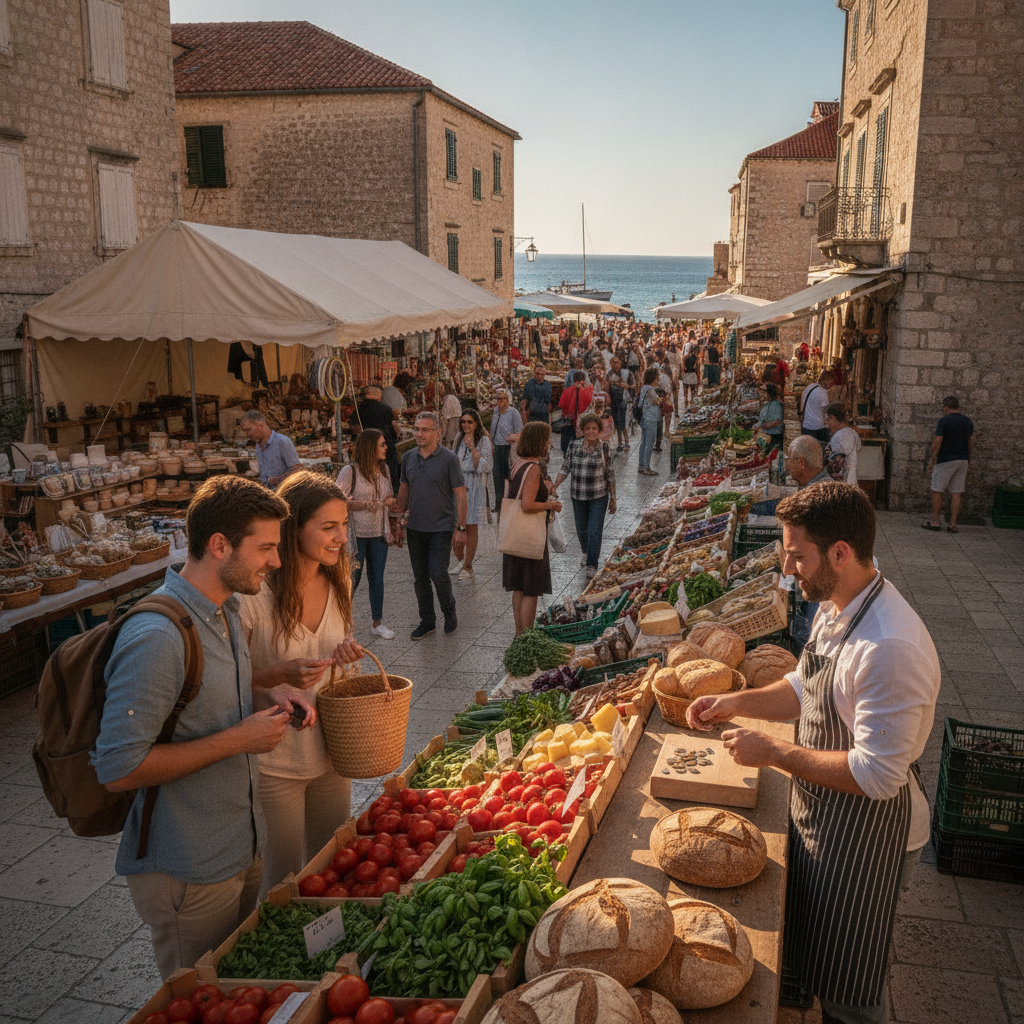
Overpaying for mediocre food and generic souvenirs is one of the most common disappointments of travel — and one of the most preventable. Most visitors wander into tourist-district shops and restaurants simply because they don't know where else to go. A little research before you leave home changes that entirely. Local markets are where a destination's real daily life unfolds, and knowing where to find them — and when — transforms how you eat, shop, and spend.
How Do You Even Find a City's Local Markets Before You Go?
The best starting point is usually a simple search combining the destination name with terms like "weekly market," "mercado," "farmers market," or "street market schedule." Most cities — from Chiang Mai to Oaxaca to Lisbon — maintain official tourism pages or neighborhood association websites that list market days, locations, and what each one specializes in. Facebook community groups for expats or long-term residents in your destination are also surprisingly useful, since locals post market updates and seasonal changes that official tourism content often misses. Even ten minutes of research usually surfaces two or three worthwhile options.
What Makes Local Markets So Much Cheaper Than Tourist Shops?
Markets that serve local residents are priced for local purchasing power. A handwoven textile in a Cusco tourist shop might carry a markup of two or three times what the same item costs at the Saturday market in San Pedro, where vendors are selling to neighbors, not visitors on a limited itinerary. The same logic applies to food. A plate of pad thai from a night market stall in Bangkok costs a fraction of the version served at a restaurant within walking distance of Khao San Road. When you know where the market is and how to get there before you land, you skip the uncertainty that sends most travelers toward the nearest convenient option.
How Can You Tell Which Markets Are Worth the Trip?
Not every market is created equal. Some are well-known enough that they've attracted their own layer of tourist pricing. The Boqueria in Barcelona, for example, is genuinely beautiful but widely regarded as one of the more expensive places to buy produce in the city. Spend a few minutes reading recent reviews on Google Maps or travel forums like TripAdvisor or even Reddit's city-specific subreddits, and you'll quickly find which markets locals actually use versus which ones have become attractions in their own right. The goal is to find markets in residential neighborhoods rather than those positioned near major landmarks.
Why Should You Plan What to Buy Before You Arrive?
Entering a market without a rough sense of what you're looking for leads to either overspending on impulse or leaving without buying anything meaningful. Before your trip, think through the souvenirs you actually want to bring home and whether they're the kind of thing that tends to appear at markets — ceramics, local spices, textiles, artwork, preserved foods. Then research whether the markets you've identified carry those categories. This lets you arrive with intent rather than confusion, which also makes it easier to comparison shop between stalls rather than buying from the first vendor who catches your attention.
How Does Market Shopping Change What You Spend on Food?
Shopping for meals and snacks at local markets rather than eating every meal at a sit-down restaurant is one of the most consistent ways to cut daily travel food costs without sacrificing quality. A morning spent at a covered market in places like Mercado de San Juan in Mexico City or the Naschmarkt in Vienna can yield breakfast, lunch ingredients, and a few snacks for what a single restaurant breakfast would cost. Many travelers who plan accommodation with access to even a basic kitchen find that one or two market-sourced meals per day meaningfully reduces their overall trip cost while also being more enjoyable.
What Should You Know About Market Etiquette Before You Show Up?
Arriving informed about basic customs avoids awkward interactions and occasionally unlocks better prices. In many markets across Southeast Asia, North Africa, and Latin America, gentle negotiation is expected and welcomed. In others — particularly in Europe — prices are fixed and haggling is considered rude. Researching the cultural norm for your specific destination takes five minutes and prevents the discomfort of misreading the room. Also worth knowing: most markets are busiest mid-morning, and arriving early often means fresher produce, more patient vendors, and a calmer atmosphere for browsing before the crowds build.
How Do You Manage Currency and Payment at Local Markets?
Cash is still the default at the vast majority of local markets worldwide, and vendors often can't accept cards even if they wanted to. Before you go, research the local currency situation and identify where to get cash at a reasonable exchange rate near your accommodation or the market itself. Apps like Wise or Revolut can help you carry and convert currency with minimal fees, which matters when you're making multiple small purchases. Knowing in advance that a market is cash-only means you won't arrive empty-handed and miss out on exactly the kind of authentic, affordable finds you planned the visit around.
How Do You Lock In the Best Market Visits When Your Itinerary Is Already Set?
Most weekly markets only happen on specific days, so aligning your schedule around them rather than treating them as afterthoughts is worth doing early in the planning process. If you know that a particularly well-regarded textile market in Chichicastenango happens on Thursdays and Sundays, you build your arrival and departure dates around that rather than arriving on a Tuesday and missing it entirely. Mapping out market days alongside your existing itinerary — using nothing more than a shared Google Calendar or a simple notes app — takes about thirty minutes and can meaningfully reshape which days feel like the richest parts of your trip.
The research doesn't need to be elaborate. A focused hour before you finalize your plans often turns up market schedules, neighborhood tips, and practical details that make an enormous difference once you're on the ground. Going in knowing where the locals shop means you spend less, eat better, and come home with things that actually mean something — instead of whatever was nearest to the hotel.