Grocery bills have a way of creeping upward without any single dramatic moment to blame. You're not eating out more, you're not buying luxury items — you're just shopping the way you always have, and somehow the total keeps climbing. The good news is that one of the most effective ways to push those costs back down doesn't require a coupon binder, a loyalty app, or an hour of pre-trip prep. It just requires building your weekly meals around what's already on sale.
Store circulars — the weekly flyers that Kroger, Aldi, Publix, and most regional chains publish every Wednesday or Thursday — are essentially a roadmap to that week's cheapest proteins, produce, and pantry staples. Most shoppers ignore them entirely. The ones who use them as a meal-planning starting point tend to spend noticeably less without making any dramatic lifestyle changes.
How Do You Actually Start With the Circular?
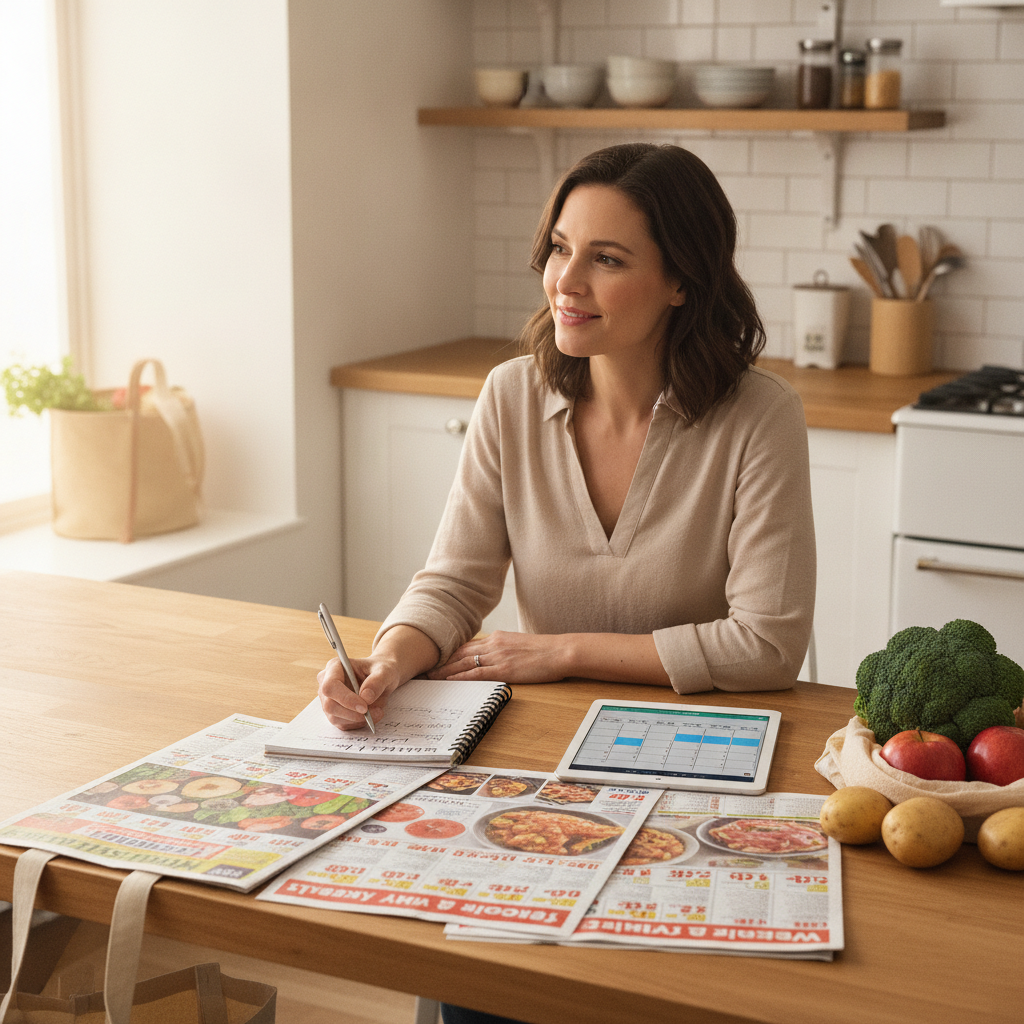
The shift is simple: instead of deciding what you want to eat and then shopping for ingredients, you flip the process. Pull up the weekly circular before you plan anything — most chains post them on their websites or through apps like Flipp, which aggregates multiple store flyers in one place. Scan for the biggest markdowns on proteins and produce first, since those are the categories with the most price variation week to week. Once you know what's cheap this week, you build your meals around those ingredients rather than hunting for them at full price.
What Makes Protein the Best Place to Focus?
Meat, poultry, and fish are usually your highest per-unit grocery costs, and they're also the items stores discount most aggressively to drive traffic. When chicken thighs, ground beef, or salmon fillets are featured in the circular, the discount is often deep enough to make a real difference in your weekly total. Buying enough of a loss-leader protein to cover two or three meals — and freezing what you won't use immediately — stretches that sale across multiple weeks. This approach turns a single good deal into ongoing savings without any stockpiling complexity.
How Does Produce Rotation Keep Meals From Getting Boring?
One common concern about building meals around sales is ending up stuck eating the same things repeatedly. In practice, produce sales rotate constantly — what's featured at your local Sprouts or Whole Foods one week is rarely the same the following week. Seasonal volume drives those markdowns, which means following the circular naturally steers you toward in-season fruits and vegetables. In-season produce tastes better, costs less, and tends to be more nutritious than out-of-season alternatives shipped from far away. Letting the circular guide your produce choices isn't limiting — it's actually a more interesting way to cook than defaulting to the same vegetables every week.
Why Should You Plan Around Two or Three Sales Items, Not All of Them?
It's tempting to try to build an entire week of meals from everything on sale, but that approach often leads to overbuying and waste. A smarter method is to identify two or three deeply discounted items that anchor your meal plan — a featured protein, a versatile vegetable, and maybe a pantry staple like canned tomatoes or pasta. Build four or five dinners around those anchors and fill in the gaps with things you already have at home. This keeps your shopping list short, your cart focused, and your spending predictable.
How Do You Handle Pantry Staples Without Overcomplicating It?
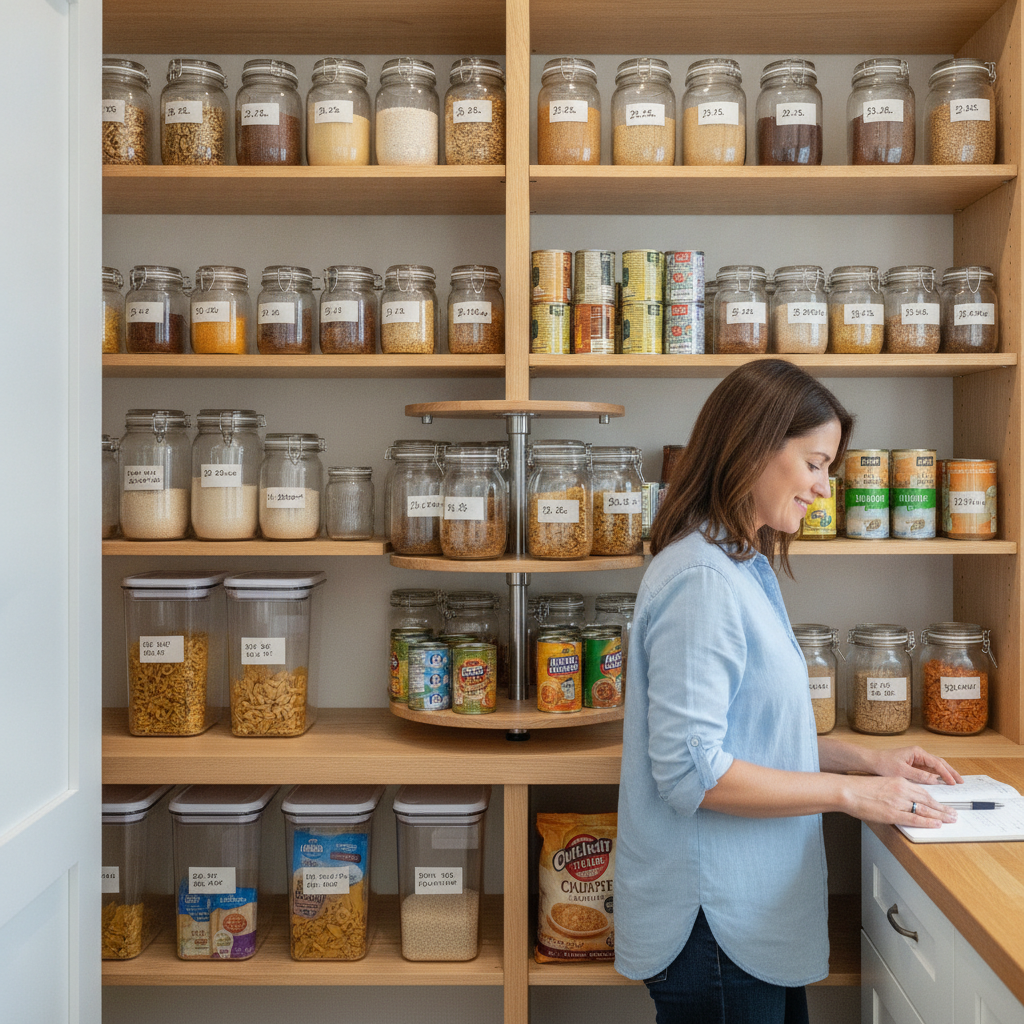
Circulars also run regular sales on shelf-stable items — olive oil, rice, beans, broth, canned goods. These don't expire quickly, so when a staple you use regularly hits a significant discount, buying two or three extra units is simply smart stocking. Over time, a modest rotating pantry means you're rarely buying staples at full price because something useful is almost always on sale somewhere. The key is to only stock what you actually cook with. Buying discounted ingredients you don't have a use for isn't saving money — it's just spending it differently.
What's the Easiest Way to Compare Two Nearby Stores?
If you have two stores within a reasonable distance — say, a Lidl and a traditional chain — spending two minutes comparing their weekly circulars before you shop can reveal which one has better prices on what you need that week. You don't need to shop both stores every week to benefit from this. Even occasionally splitting a trip between two stores when one has a standout deal on a high-cost item can meaningfully reduce your total. Apps like Flipp make side-by-side comparison fast enough that it doesn't feel like a chore.
How Do You Build the Habit So It Actually Sticks?
The circular-first approach works best when it becomes a brief weekly ritual rather than an ambitious project. Set aside ten minutes on the same day each week — Wednesday evening or Thursday morning, when most new circulars drop — to scan for deals, sketch out a few meal ideas, and write your shopping list from there. Pairing this habit with an existing routine, like your morning coffee or a lunch break, makes it easier to maintain. The habit doesn't need to be perfect; even using the circular as a loose guide rather than a strict blueprint produces real savings over time.
As more grocery chains invest in dynamic digital pricing and personalized app offers, the weekly circular is evolving beyond a simple paper flyer. Real-time deal alerts, location-based promotions, and loyalty-linked circular discounts are becoming more common across major chains. Shoppers who already have a circular-first mindset will be well-positioned to take advantage of these tools as they improve — because the underlying skill of building meals around what's on sale transfers directly, whatever form the deals happen to arrive in. The strategy isn't going anywhere; it's just getting easier to use.