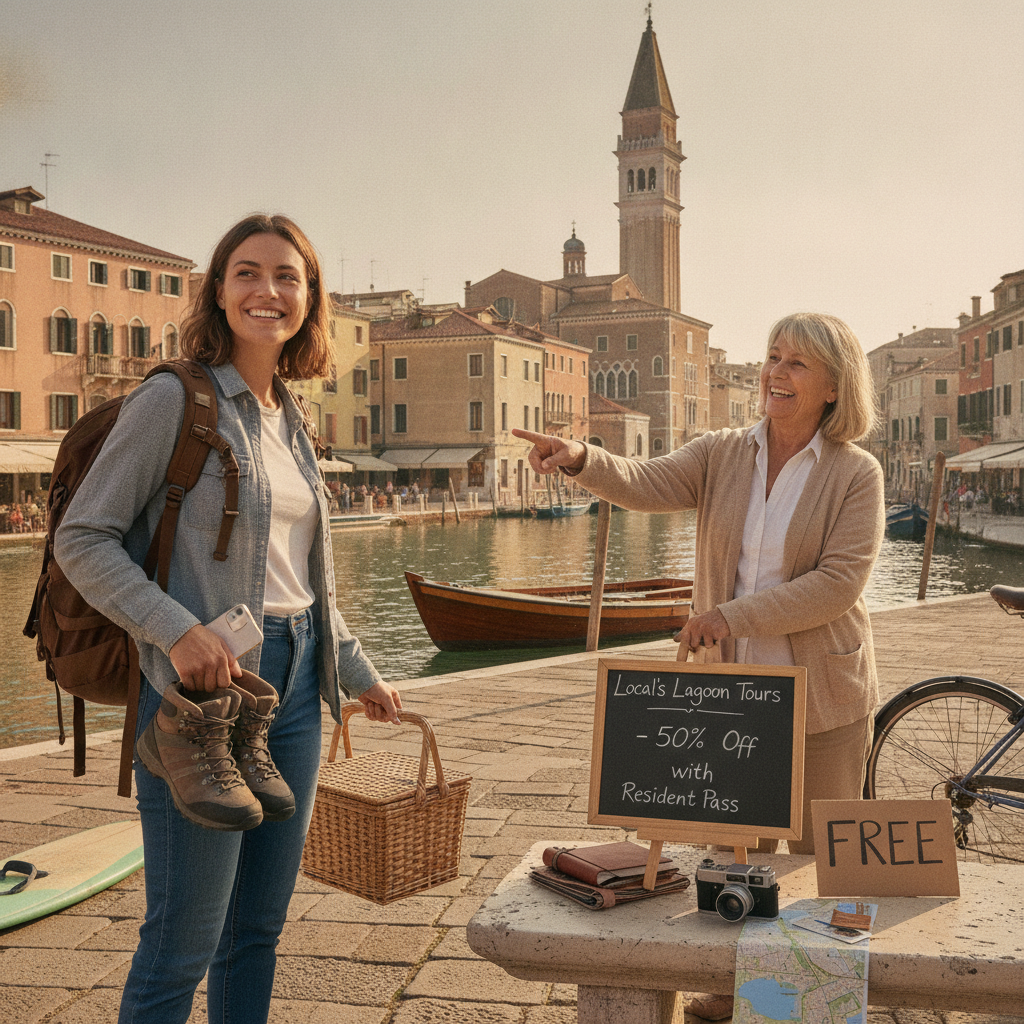
Most travel savings advice focuses on flights and hotels, but the real money gets left on the table after you land. Locals in every city trade information, gear, tickets, and tips through Facebook Marketplace and community groups that tourists never think to check. Joining those spaces before you board the plane gives you a quiet but significant edge — access to the kind of value that no Expedia listing or TripAdvisor review will ever surface.
Join the Right Groups at Least Two Weeks Out
Timing matters more than most people realize. Joining a city's local Marketplace or neighborhood Facebook group two to three weeks before arrival gives you time to watch the rhythm of the community, understand what's available, and post your own requests without looking rushed. Search for the destination city plus terms like "free stuff," "buy nothing," or "community deals" to find the most active groups. Cities like Portland, Austin, and Denver have dozens of hyper-local buy-nothing and mutual aid groups where gear, furniture, and event tickets move freely — often at no cost to anyone willing to pick them up.
Search for Gear You'd Normally Rent at Full Price
Renting a bike, kayak, camping gear, or snorkeling equipment from a tourist-facing shop in a popular destination almost always carries a premium. On local Marketplace listings in the same city, those same items appear regularly from residents who own them and want them used. A wetsuit in a coastal town, a tent near a national park, or a paddleboard in a lake city can often be borrowed or bought cheaply from someone who listed it a week ago. This approach works especially well in outdoor-oriented cities like Boulder, Bend, and Asheville, where recreational gear is common in local resale feeds.
Ask Directly for Resident Recommendations
Once you've joined a group and introduced yourself as a visitor, don't be shy about posting a simple question. Phrases like "visiting next month with family — what do locals actually do for a cheap weekend?" tend to generate genuine, detailed responses. Residents know which farmers markets have free tastings, which neighborhoods have free weekend concerts, and which regional day trips cost a fraction of the packaged tour version. This kind of first-hand local knowledge is far more reliable than aggregated review platforms, where the top results are often paid placements or frequently overrun by tourist-facing businesses.
Watch for Event Ticket Resales Below Face Value
Local Facebook groups in most mid-sized and large cities fill up with people offloading event tickets at or below face value — often because plans changed at the last minute. Theater performances, sports games, food festivals, and live music shows all appear regularly. Unlike third-party ticket resale platforms, these transactions happen between neighbors, which typically means no inflated service fees and a more honest transaction. If your travel dates align with a local festival or sporting event, watching the city's Marketplace feed in the weeks before you arrive can surface last-minute access at prices the event's official website would never match.
Find Day Trip Logistics at Local Prices
Many cities have informal carpooling or ride-share arrangements within community groups, especially for popular nearby destinations. A resident driving to a trailhead, vineyard, or beach on a Saturday morning may welcome a split on gas in exchange for a seat. Alternatively, locals frequently post about discounted or group-rate tickets to regional attractions that only residents know about — entry to smaller regional parks, historical sites with member guest passes, or winery tastings priced for locals rather than tourists. These opportunities rarely make it onto tourism aggregators and tend to disappear quickly once the local community snaps them up.
Look for Free Gear Through Buy-Nothing Groups
Buy-nothing groups, which operate as gift economies within specific zip codes or neighborhoods, are one of the most underused travel resources available. Residents post items they want to give away rather than sell, from sunscreen and beach chairs to hiking poles and umbrellas. As a short-term visitor staying nearby, you can legitimately participate in these exchanges — picking up something useful for your trip and leaving it behind as a gift to another member when you depart. It's a practical loop that costs nothing and often yields exactly what you need. Search Facebook for "Buy Nothing" combined with your destination neighborhood to find the relevant group.
Use the Marketplace Feed to Gauge Real Local Prices
Before you book any experience or purchase through a tourism-facing platform, spend five minutes searching the same thing on local Marketplace. The gap between what visitors pay and what residents expect to pay is often surprising. A cooking class listed at full tourist price on a booking platform may appear in a community group at half the cost for a local version of the same experience. Checking Marketplace first establishes a realistic baseline and gives you negotiating context. Even when you end up booking through a standard channel, knowing the local price floor makes it easier to evaluate whether an advertised deal is genuine.
Post Your Availability as a Potential Trade
This is a step most visitors skip entirely. If you have a professional skill — photography, language tutoring, website help, or something similar — posting a brief offer in a local group before your visit occasionally leads to genuine exchanges. A local resident might offer a guided hike, a home-cooked meal, or access to a private event in exchange for an hour of your time. This isn't a guaranteed strategy, but in communities where skill-sharing is already part of the group culture, it works more often than you'd expect. It also tends to create the kind of authentic local connection that turns a standard trip into something genuinely memorable.
The cost of joining a Facebook group is zero, and the return varies from minor savings to entirely free gear, transport, and experiences. Getting into the habit of researching a destination through its actual residents — rather than through platforms built to profit from tourism — is one of the most practical adjustments any traveler can make. Start with a search, join two or three active groups, and spend a few minutes watching what flows through before your bags are even packed.