Most homes accumulate stuff gradually — a gift here, an impulse buy there — until rooms quietly become storage units with furniture. Designating one space as a strict clutter-free zone flips that pattern entirely. Instead of buying first and arranging later, you start asking whether something genuinely belongs before it ever enters the room. That single shift in thinking has a surprising ripple effect on how deliberately you shop for everything.
Choose the Room With the Most Daily Impact
The room you choose matters. A space you use often — a home office, a bedroom, or a reading nook — gives you the most feedback on what deserves to be there. Bedrooms are a popular starting point because poor sleep environments are a recognized driver of stress, and clutter contributes to that. When you commit to keeping one room genuinely clear, you start noticing how quickly unnecessary purchases accumulate everywhere else. That awareness alone begins changing your purchasing decisions across the board.
Write Down What the Room Actually Needs
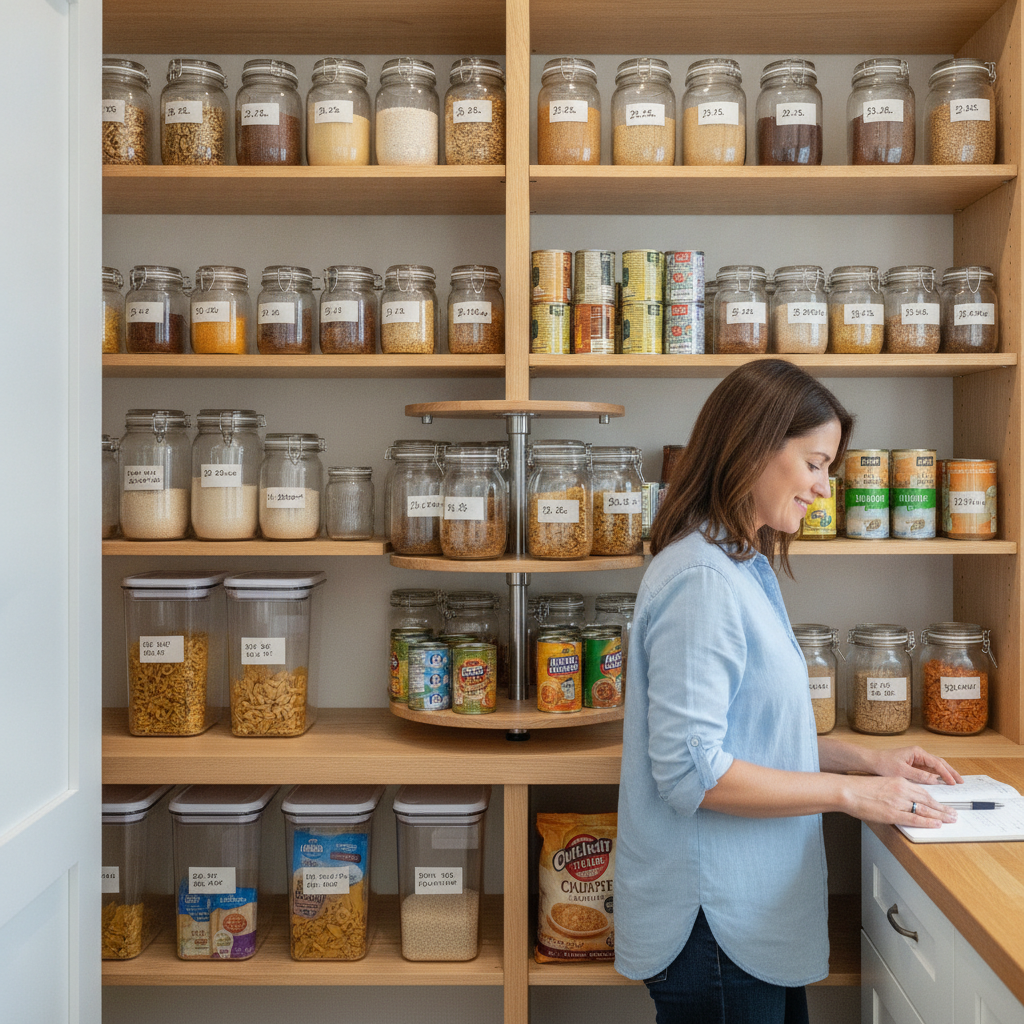
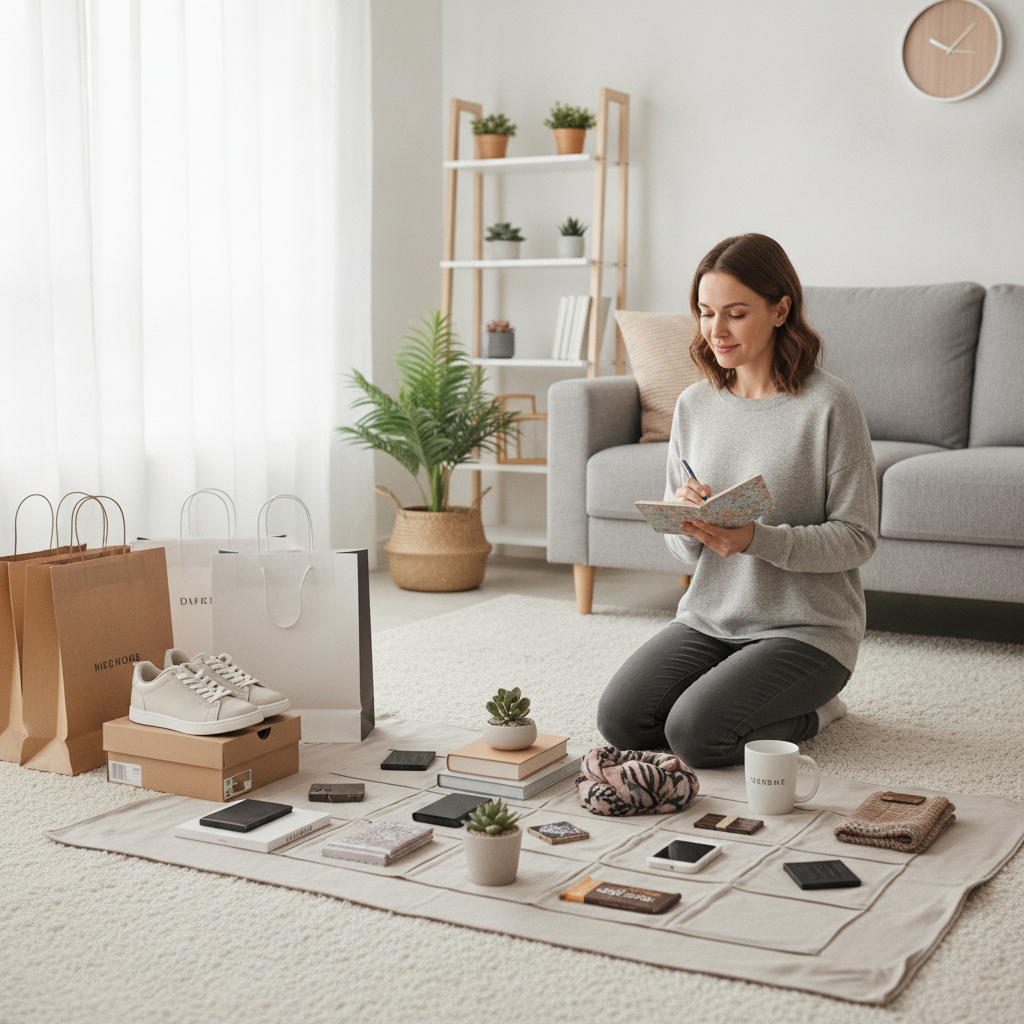
Before buying a single thing for your clutter-free room, sit in it and make a list of what it genuinely requires to function well. Not what would be nice or what you saw on a Pinterest board — what it actually needs. This list becomes a purchasing filter. Apps like Notion or a simple notepad work fine for this. When you shop with a concrete list rather than a vague sense of what a room should look like, you sidestep the decorative extras that fill drawers and shelves without serving any real purpose.
Apply a One-In-One-Out Rule Before You Buy Anything
The clutter-free zone thrives on a one-in-one-out policy, and enforcing it before a purchase rather than after is where the real discipline lives. Ask yourself what currently in the room would leave if the new item arrived. If nothing comes to mind, that's a signal the new item doesn't belong. This isn't about being restrictive — it's about keeping the space intentional. Over time, this habit trains you to evaluate every potential purchase against what already works rather than defaulting to addition.
Let the Room's Aesthetic Set a Buying Standard
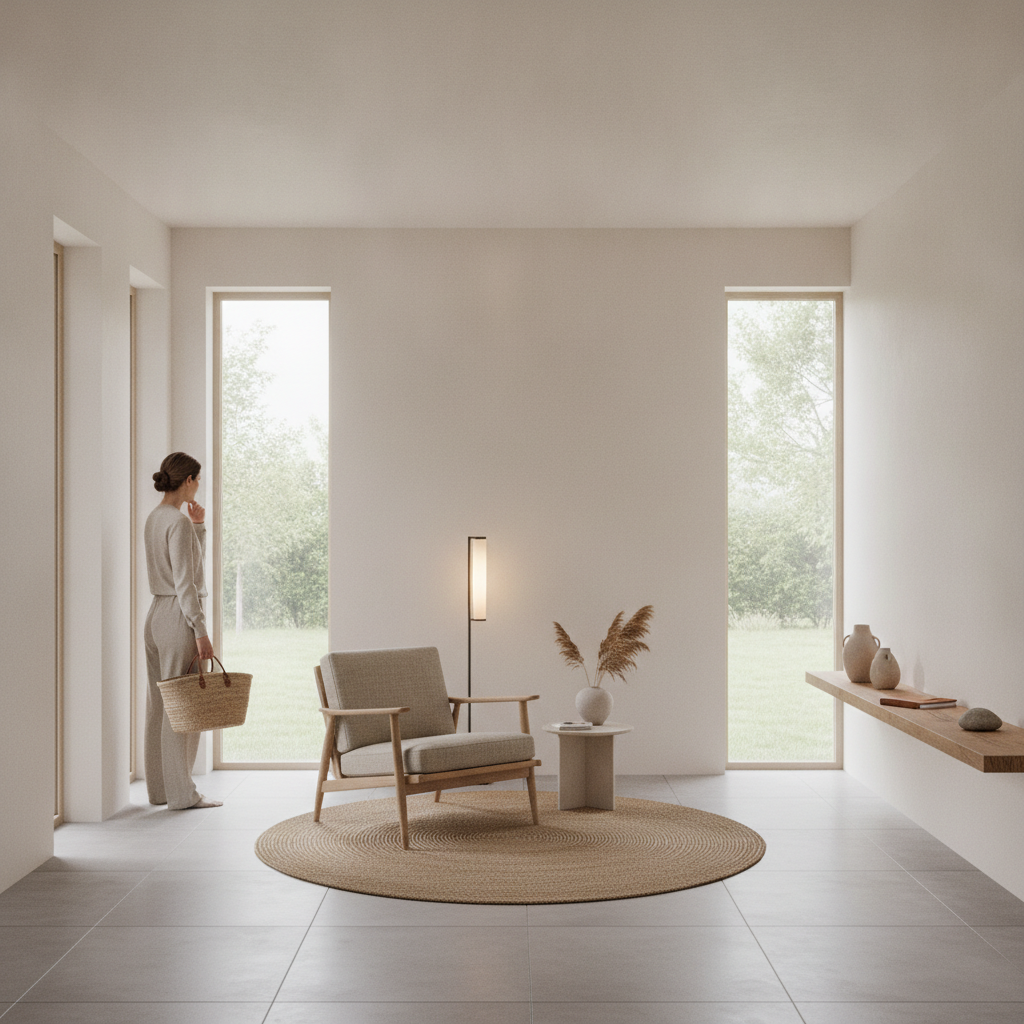
A genuinely clutter-free room naturally develops a visual standard — things look cohesive, calm, and purposeful. That standard starts influencing what you're willing to buy. A piece from IKEA that once seemed fine feels out of place next to a carefully chosen lamp you love. Muji's minimalist philosophy resonates for this reason: when your space is curated, you instinctively reach for quality over quantity. The room becomes a benchmark, and anything that doesn't meet it stops looking like a deal — it just looks like clutter waiting to happen.
Shop Slower Because the Bar Has Risen
Once you've lived in a genuinely clear, calm space for a few weeks, impulse purchases start feeling different. A random throw pillow from a flash sale doesn't trigger the same automatic yes it once did. You begin holding potential purchases up against what the room taught you about intentionality. Shopping apps like Rakuten or cashback tools still have a role — saving money on things you've already decided to buy is smart. The shift is that the decision now comes first, and the deal comes second, rather than the deal making the decision for you.
Use the Room as a 48-Hour Test for Every Potential Addition
Before bringing anything into the clutter-free space, give yourself 48 hours. Picture the item in the room. Does it genuinely improve the function or feel of the space, or does it just appeal to you in the moment? This waiting period works particularly well for home décor, which is one of the most emotionally charged categories in retail. Retailers like Pottery Barn and West Elm are designed to make everything look necessary in context. Removing yourself from that environment and thinking about your specific room resets that effect.
Track What You Don't Buy as a Savings Habit
Here's a practical extension of the clutter-free zone concept: keep a running note of purchases you considered and passed on because they didn't meet your room's standard. Even rough figures add up quickly. Over a few months, that list reveals how much the clutter-free mindset is saving you — not just in money, but in decision fatigue. You're not depriving yourself of anything good; you're filtering out the things that would have sat in a corner and eventually ended up in a donation bag.
Expand the Standard Gradually to Other Rooms
The clutter-free room rarely stays isolated. Most people find that once one room holds a clear, intentional standard, the contrast with the rest of the house becomes uncomfortable. You start applying the same shopping filter to the living room, then the kitchen. The shift isn't dramatic — it happens gradually as you replace cluttered purchasing habits with considered ones. What began as an experiment with one room eventually shapes how you approach the entire home, and by extension, how you think about value, space, and what's worth spending money on at all.
As retail increasingly pushes personalization — targeted ads, curated recommendations, frictionless checkout — the clutter-free zone becomes a quiet form of resistance. It grounds purchasing decisions in your actual space and needs rather than in what an algorithm thinks will land in your cart. That's a shift worth protecting, one room at a time.