Packing less is one of the most reliable ways to spend less — and yet most travelers still default to checked luggage without ever running the numbers. The relationship between bag size and travel cost runs deeper than a single airline fee. From the moment a ticket is booked to the last leg of a return journey, what you carry with you shapes not just your comfort but your total trip budget in ways that rarely appear on any receipt.
How Do Airline Baggage Fees Actually Add Up?
Baggage fees are one of aviation's most quietly effective revenue tools. On carriers like Spirit, Frontier, and Ryanair, checked bag fees can rival the base fare itself — sometimes exceeding it on shorter routes. Even full-service airlines like Delta and United now charge for first bags on most economy tickets. For a round trip with two passengers, those fees compound quickly, and they're almost never included in the comparison price shown on booking platforms like Google Flights or Kayak. Travelers who default to checked bags often discover the true cost only at check-in, long after the decision has been made.
Why Does Carry-On Travel Open Up Cheaper Fare Classes?
Many of the most heavily discounted fare classes on major and budget airlines explicitly exclude checked luggage — they're priced low precisely because the airline assumes you'll bring nothing more than a personal item or a single carry-on. Booking one of these basic economy tickets with the intention of checking a bag turns a bargain into something more expensive than a standard fare would have been. Travelers who genuinely travel light can access these lower tiers without any workaround: the cheapest option stays the cheapest option, and the savings are real from the moment of purchase.
What Time Does Checked Luggage Cost You?
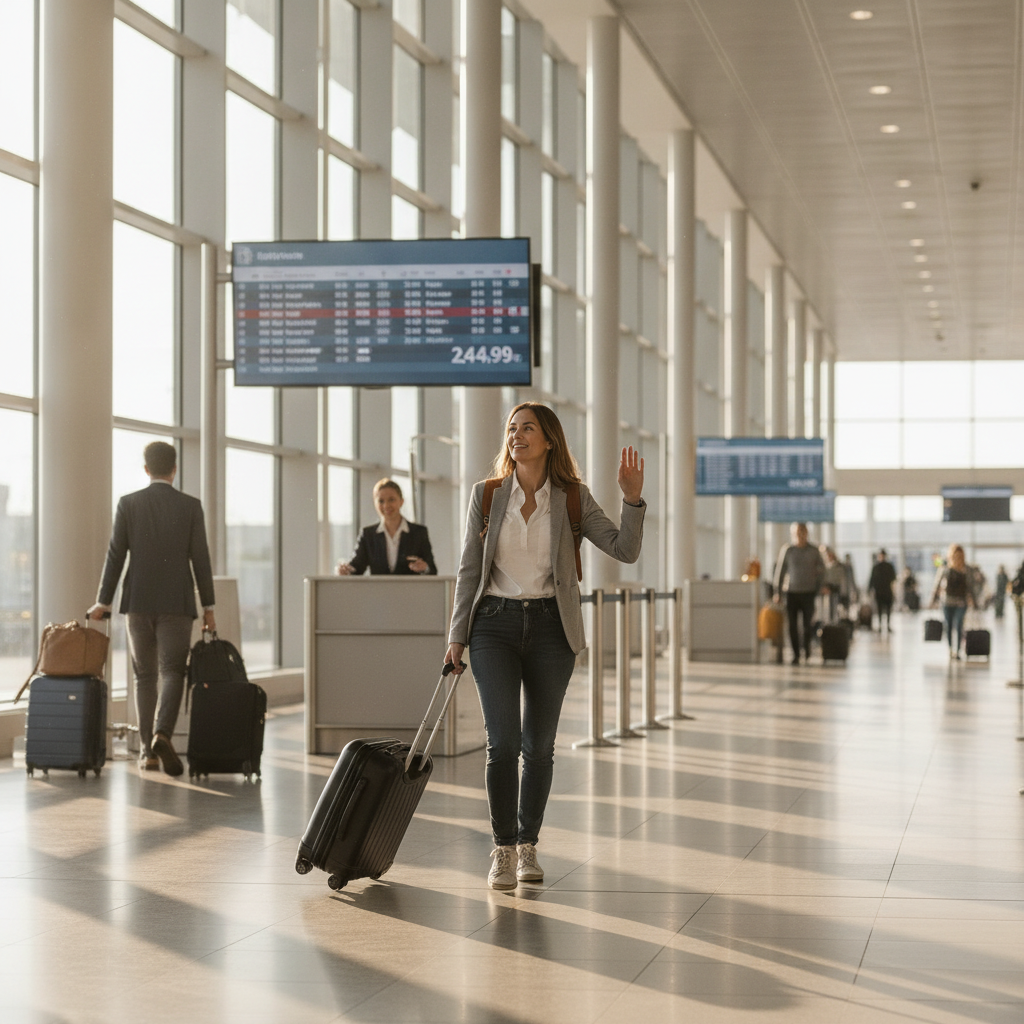
The financial cost of checked bags is straightforward; the time cost is easier to overlook. Checking a bag requires arriving earlier, queuing at the check-in desk, waiting at baggage claim on arrival, and often waiting again when a connection requires re-checking. On a short trip, baggage claim alone can add forty-five minutes to an hour to the journey — time that translates directly into extra ground transportation costs if it pushes travelers into peak-hour traffic, a later train, or an extended parking fee. Frequent travelers who shift to carry-on only consistently report that the reclaimed time is among the most valuable benefits.
How Does Carry-On Travel Affect Ground Transportation Costs?
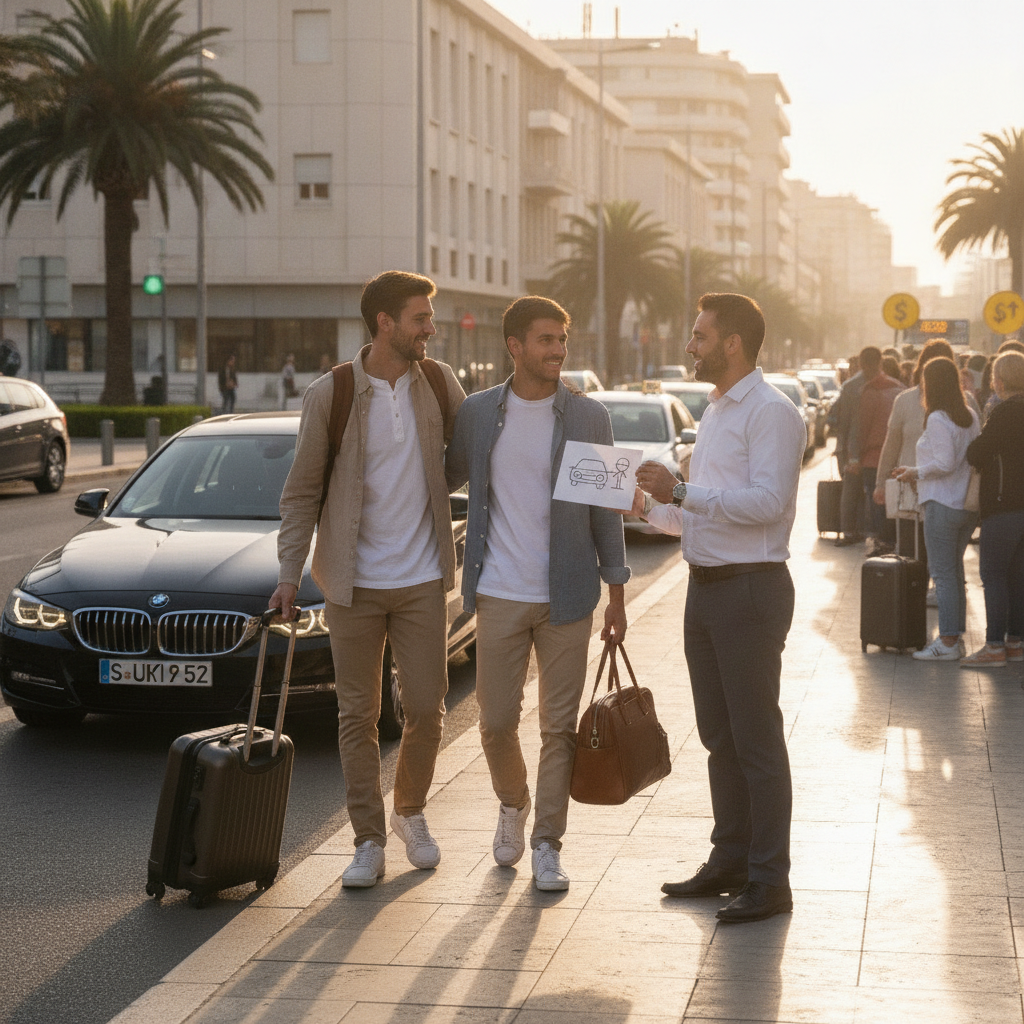
Moving through a city with a single, manageable bag expands transportation options considerably. Travelers with checked luggage often rule out subway systems, shared shuttles, or city buses because navigating crowded transit with a large rolling case is genuinely impractical. That leaves ride-shares or taxis as the default — consistently the most expensive options. A carry-on bag that fits overhead or under a seat turns the Mexico City Metro, the London Underground, or the Seoul subway into realistic options, each a fraction of the price of a private transfer. Over several days and multiple city transitions, the difference in ground costs is substantial.
What Happens to Flexibility When You Drop the Checked Bag?
One underappreciated advantage of carry-on travel is the freedom to rebook without anxiety. When flights are delayed, cancelled, or simply changed for a better price, travelers without checked luggage can shift to a different airline, a different route, or a same-day departure without coordinating with a baggage system. Apps like Hopper flag last-minute drops in fares that are often only practical for travelers who can move immediately. That flexibility has a real monetary value — the ability to catch a cheaper flight at short notice is only available to travelers who can actually board it.
How Do Packing Methods Make Carry-On Travel Practical for Longer Trips?
The most common objection to carry-on-only travel is that it can't support trips longer than a few days. In practice, systematic packing methods make a week or more entirely manageable in a single bag. Compression packing cubes — popularized by brands like Eagle Creek and Osprey — reduce clothing volume significantly. A capsule wardrobe approach, choosing items that mix and match across multiple outfits, reduces the total number of pieces needed without reducing the number of wearable combinations. Access to laundry, whether through accommodation or a neighborhood laundromat, handles the rest. Many carry-on travelers find their packing list shrinks further with each trip as they identify what they never actually used.
Why Are Overweight Bag Fees One of Travel's Most Avoidable Expenses?
Checked bags that exceed weight limits trigger some of the most aggressively priced fees in air travel. On international routes, overweight charges can run well above standard baggage fees — and they're payable at the gate, with no opportunity to shop around or decline. Travelers who check bags frequently report overweight charges as a recurring cost they didn't budget for, partly because it's easy to underestimate how much luggage fills up over a trip with accumulated purchases, gifts, or simply the tendency to pack "just in case." Carry-on travel eliminates this category of cost entirely by design.
How Does Carry-On Travel Interact With Hotel and Accommodation Choices?
Travelers with a single carry-on gain access to a wider range of accommodation without friction. Hostels, guesthouses, and budget properties that lack elevators, bellhop services, or large storage areas become genuinely comfortable options rather than logistical headaches. In cities like Lisbon, Budapest, or Chiang Mai, some of the most affordable and well-located guesthouses are in older buildings with narrow staircases — perfectly manageable with a 40-liter carry-on, difficult with a full-size rolling case. The accommodation savings that follow from this expanded range often dwarf the bag fees travelers were trying to avoid in the first place.
As airlines continue refining their fee structures and dynamic pricing models grow more sophisticated, the gap between light and heavy travelers will likely widen rather than close. Baggage policies are already being used to differentiate fare tiers in increasingly granular ways, and travelers who master the carry-on approach position themselves to consistently access the lowest available prices — not as a one-time trick, but as a repeatable habit that pays off across every trip they take.